Japanese tattoos are far more than mere body art; they are a centuries-old tradition rich in cultural and spiritual symbolism. In this highly structured art form, every mythical creature, flower, and pattern follows strict traditional rules to tell a specific story. Let DNA Tattoo Shop guide you in exploring the complex visual language and enduring legacy of these authentic designs.
1. The rich history and culture of Japanese tattoos
Understanding Japanese tattoos requires examining a long historical evolution spanning multiple eras. Their origins trace back to the Paleolithic period, when early markings served cultural and spiritual purposes, forming the foundation for later complex designs. Over time, influences like Ukiyo-e woodblock prints and the Chinese novel Suikoden shaped their visual language, with illustrated heroes inspiring intricate, narrative-driven tattoo aesthetics that connected folklore with body art.
Traditional Japanese tattoos were applied using the Tebori hand technique, requiring great skill and preserving a strong link to historical craftsmanship. However, their history also includes a darker aspect, as tattoos were once used to mark criminals and later became associated with the Yakuza, creating lasting social stigma. These layered influences are essential to understanding both the artistic depth and controversial legacy of Japanese tattoos.

2. Understanding traditional Japanese tattoo placements
The structural framework of japanese tattoos relies on highly specific placements designed to transform the human body into a unified canvas. This arrangement ensures aesthetic harmony while strictly adhering to ancient artistic conventions.
2.1. Kame-no-koh: The central back piece
Kame-no-koh is the most critical element within the overall structure of japanese tattoos. This placement covers the entire back, creating a vast and continuous space for major narrative designs. Kame-no-koh serves as the foundational canvas for large-scale bodysuit tattoos, allowing artists to render complex imagery with maximum detail. This area is traditionally prioritized for powerful symbolic subjects such as mythical dragons, fierce tigers, or revered deities.

2.2. Hikae: The chest plate
Hikae is the specific term used for chest placements in the art of japanese tattoos. This precise area is typically designed to smoothly connect the intricate arm motifs to the main torso. Hikae helps establish visual balance and ensures that the narrative flow remains uninterrupted when viewed from the front. Determining the exact borders of the hikae requires artistic finesse to harmonize seamlessly with the natural movements of the wearer’s body.

2.3. Nagasode, Shichibusode and Gobusode: Sleeve variations
The arms occupy a prominent position in the layout of japanese tattoos, featuring clearly defined traditional lengths. Nagasode is the full sleeve tattoo style extending from the shoulder entirely down to the wrist. Shichibusode represents a seven-tenths sleeve, traditionally ending squarely on the mid-forearm to leave a portion of skin exposed. Gobusode is the five-tenths half sleeve, stopping just above the elbow joint. Each variation follows distinct aesthetic standards to maintain traditional authenticity.

2.4. Muniwari and Donburi: Open and closed front body styles
The anterior designs of japanese tattoos are categorized based on the extent of ink coverage across the skin. Muniwari is the traditional open style, featuring a deliberate, uninked vertical channel running straight down the exact center of the chest and abdomen. Conversely, Donburi is the completely closed style, entirely covering the front of the body without any empty vertical spaces. The choice between Muniwari and Donburi reflects personal preference and a profound respect for classical layout conventions.

2.5. Gakubori and Mikiri: Backgrounds and finishing borders
The empty spaces within the composition of japanese tattoos are purposefully filled to dramatically enhance visual contrast. Gakubori utilizes dynamic background motifs like crashing waves, swirling clouds, or wind bars to frame and highlight the primary subjects, visual concepts that also inspire traditional Japanese-themed tattoo studio design. Mikiri refers to the precise border lines that define exactly where the tattoo ends on the skin, creating a clean and highly professional boundary. These crucial framing components are essential for establishing the powerful appearance and structural depth of the artwork.

3. Popular Japanese tattoo designs and their meanings
The visual imagery within japanese tattoos utilizes a strict vocabulary of individual creatures, figures, and flora to convey profound symbolic meanings.
3.1. Koi fish tattoos: Symbolizing perseverance
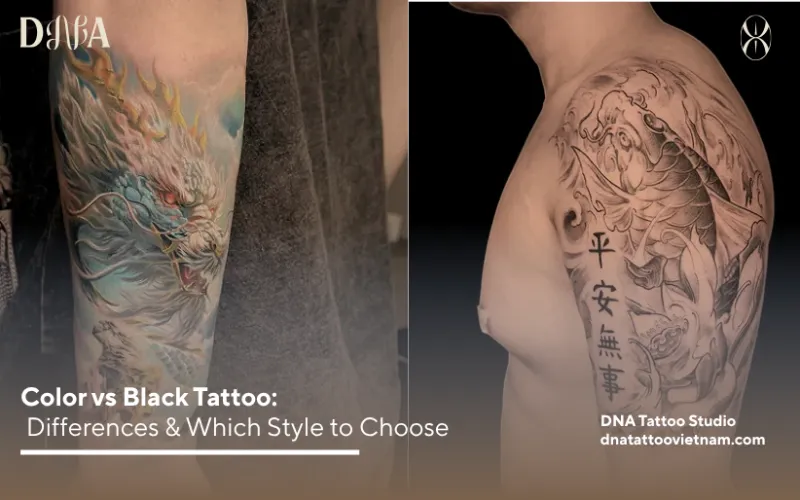
Koi fish tattoos are among the most recognizable designs within the realm of japanese tattoos. These brightly colored fish are a powerful symbol of determination and the ability to overcome profound adversity. A koi should traditionally swim upstream, serving as an active sign of good luck.
In Japanese mythology, a koi will transform into a mighty dragon after successfully jumping through a magical waterfall known as the ‘dragon gates’. Overcoming this mythical waterfall represents the ultimate triumph over life’s toughest challenges. Additionally, the koi fish physically symbolizes the transition into manhood during the Golden Boy Day in Japan.

3.2. Dragon tattoos: A symbol of power and wisdom
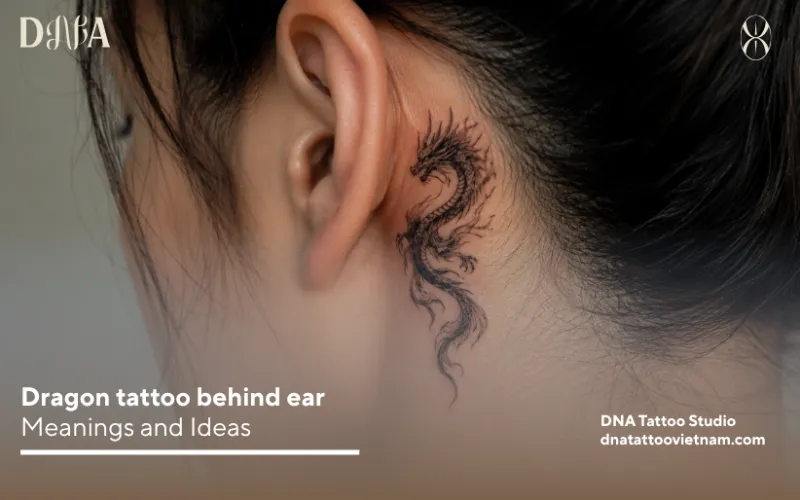
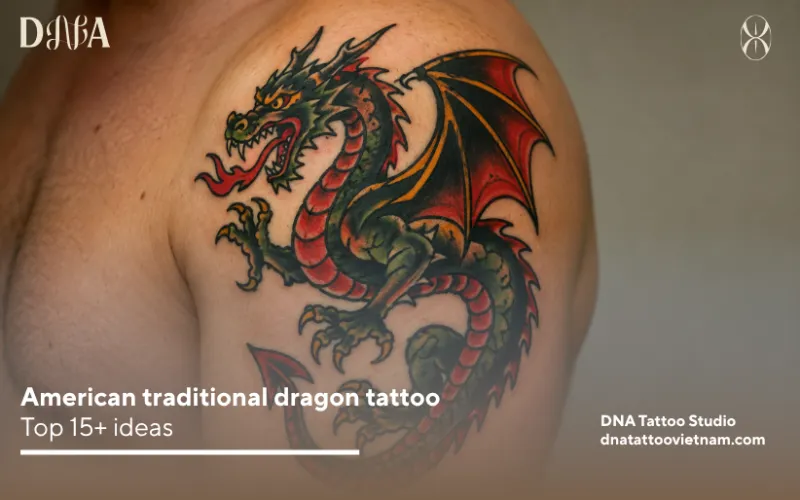
Dragons are a recurring and highly revered motif in traditional japanese tattoos. They strictly symbolize immense power, supreme strength, and ancient wisdom. These mythical creatures serve as benevolent, protective forces rather than destructive monsters in Japanese cultural history.
Authentic Japanese dragon tattoos often feature highly intricate, flowing details. They are strictly depicted with three claws to firmly distinguish them from other regional Asian dragons. There are four different archetypes of dragons, each bringing its own specific energy and deep mythological significance to the overall tattoo design.

3.3. Cherry blossom tattoos: Embracing transience
Cherry blossoms, traditionally known as Sakura, hold a deeply significant place in Japanese culture and japanese tattoos. They beautifully symbolize the fleeting, delicate nature of human life.
Sakura motifs are often closely associated with the philosophical concept of ‘mono no aware’, which translates to a profound appreciation for the beauty of impermanence. Cherry blossom tattoos are exceptionally delicate and beautiful, making them a popular inspiration for a minimalist flash tattoo Hanoi concept rooted in Japanese aesthetics. This makes them a highly popular choice for individuals who deeply appreciate the transitory, temporary nature of human existence.

3.4. Hannya mask tattoos: The jealous wife
The striking Hannya mask is a profound and emotionally charged design within japanese tattoos. This specific mask originates directly from traditional Kabuki theater performances.
It tells the tragic, cautionary story of a fisherman’s wife who becomes so intensely consumed by jealousy that she physically grows horns and transforms into a terrifying demon. Incorporating a Hannya mask into a tattoo serves as a stark visual reminder of the destructive nature of intense emotions and the darker aspects of the human psyche.

3.5. Geisha tattoos: Celebrating elegance
Geisha designs beautifully celebrate the unmatched grace, elegance, and profound artistry of historical geisha culture. These elegant japanese tattoos typically feature a beautifully adorned geisha wearing a highly detailed traditional kimono.
The elegant female figures are frequently accompanied by classic cultural accessories such as folding fans, decorative parasols, or other symbolic elements. Geisha tattoos serve to pay lasting, respectful homage to the sophisticated, highly regulated world of traditional Japanese entertainment and aesthetic beauty.

3.6. Samurai tattoos: Embodying honor and loyalty
Samurai designs serve as a powerful visual tribute to the elite warrior class of feudal Japan. Within the structured context of japanese tattoos, these figures often feature samurai dressed in full traditional armor, wielding sharp swords, or actively engaged in fierce battle.
Samurai tattoos permanently symbolize unwavering honor, steadfast loyalty, and a remarkably strong sense of duty. They remain an exceptionally popular choice among individuals who deeply admire ‘Bushido’, which translates directly to the highly disciplined way of the warrior.

3.7. Peony tattoos: Representing wealth and prosperity
Peony designs are incredibly vibrant and lush botanical components of japanese tattoos. Widely known and respected as ‘The King of flowers’, lush peonies strictly symbolize vast wealth, lasting prosperity, and immense good fortune.
As a designated spring flower, the peony is traditionally and frequently paired with fierce tigers or a Japanese lion, also known as a ‘Foo dog’. In the historical context of Japanese tattoos, a vibrant peony is also often associated with gambling and a carefree, devil-may-care attitude toward life.

3.8. Chrysanthemum tattoos: Royalty and longevity
The Chrysanthemum, or Kiku, is universally known as the royal flower because it historically appeared directly on the Emperor of Japan’s official emblem. These majestic flowers represent noble royalty and extended longevity within the strict visual vocabulary of japanese tattoos.
Because chrysanthemums are strictly designated as an autumnal flower, traditional artistic rules must apply. These rules rigidly dictate that chrysanthemums should never be used in conjunction with spring flowers, specifically cherry blossoms, to maintain absolute seasonal accuracy.

3.9. Tiger tattoos: Strength and protection
The tiger, or Tora, is universally considered to be the supreme ruler of all land animals in japanese tattoos. It boldly represents raw strength, unwavering courage, and long life.
Tigers are also believed to possess the spiritual power to ward off bad luck, disease, and actively scare away evil demons. Consequently, tigers are often seen fiercely fighting Japanese demons (Oni) in traditional designs. The tiger is the symbol of the North, represents the autumn season, and is said to control the wind. Wearing a tiger pelt design is said to remove physical aches.

3.10. Foo Dogs (Karajishi) & Snakes (Hebi)
In the realm of Japanese tattoos, both creatures serve as powerful spiritual protectors:
- Foo Dogs (Karajishi): These mythical lions symbolize courage and ward off evil. They are traditionally paired with peonies (Botan) to represent the perfect harmony between fierce strength and delicate beauty.
- Snakes (Hebi): Unlike Western stereotypes, snakes in Irezumi are sacred. By shedding their skin, they embody rebirth, healing, and continuous transformation. They are also revered as divine messengers that bring wisdom and protect against misfortune.

4. Traditional vs Modern: Tebori, kikaibori, and neo-Japanese
The methodology and stylistic boundaries of Japanese tattoos continue to evolve through both traditional and modern approaches. The revered Tebori method, using hand-poked bamboo tools, demands great skill, effort, and deep historical understanding, preserving a strong connection to heritage. In contrast, modern machine tattooing, or Kikaibori, offers a faster and more efficient process while still maintaining the core aesthetic principles of traditional Japanese tattoos.
| Tattooing method | Description and characteristics in Japanese tattoos |
| Tebori | Traditional bamboo hand-poked method requiring immense physical labor. |
| Kikaibori | Modern machine tattooing offering faster, highly efficient contemporary execution. |
| Neo-Japanese | Blends traditional rules with modern pop culture and abstract designs. |
The expansive artistic landscape of Japanese tattoos has grown significantly with the exciting introduction of the Neo-Japanese style. This highly innovative, evolving genre seamlessly blends traditional, historical imagery and strict structural rules with highly advanced modern tattooing techniques. Furthermore, Neo-Japanese tattoos frequently and boldly incorporate dynamic elements of modern pop culture and striking abstract designs. This brilliant fusion allows Japanese tattoos to maintain their immense cultural gravity while continuously adapting to fluid, contemporary artistic expressions often showcased at the best tattoo studio Hanoi collectors visit for large-scale Japanese work.
5. Tips for designing your own Japanese tattoo
Properly planning authentic Japanese tattoos requires careful, methodical consideration of established structural rules, individual bodily anatomy, and overarching narrative coherence.
Step 1: Emphasize the vital importance of storytelling.
Authentic Japanese tattoos must consistently convey a clear, highly meaningful narrative deeply based on traditional regional folklore or historical symbolism.
Step 2: Work flawlessly with the natural flow and muscles of the body.
Exceptional Japanese tattoos effectively utilize dynamic wind bars and crashing waves to complement the specific anatomical structure, ensuring movement.
Continuing the planning process requires attention to visual clarity and professional expertise.
Step 3: Use striking high contrast for optimal readability.
Ensuring distinct, sharp separation between the detailed foreground subjects and the dense background elements is utterly crucial for highly legible Japanese tattoos.
Step 4: Choose a dedicated artist highly skilled in traditional rules.
To guarantee total cultural accuracy, Japanese tattoos must be meticulously executed by seasoned professionals who deeply understand the complex historical guidelines governing the art form, similar to the standards expected from a best tattoo artist in Hanoi specializing in Japanese composition.

6. Tips for designing and getting your own Japanese tattoo
Embarking on a Japanese tattoo journey is a deeply personal and rewarding experience. Unlike picking a standalone design, authentic Irezumi requires thoughtful planning, respect for tradition, and a strong partnership with your artist. Here is what you need to know before taking the leap.
6.1. Understanding the commitment (Time, pain, and respect for rules)
- Time and Endurance: Traditional Japanese tattoos are primarily large-scale projects, such as full sleeves or back pieces. These masterpieces demand multiple sessions, a significant financial investment, and a high pain tolerance spread over months or even years.
- Respecting the Rules: Irezumi is governed by strict artistic principles. Certain motifs must only be paired with specific seasons or elements (e.g., tigers with bamboo, cherry blossoms with spring). Adhering to these historical guidelines is crucial to maintaining the authenticity and narrative of your tattoo.

6.2. How to collaborate with your artist for a cohesive design
- Bring Concepts, Not Blueprints: Arrive with a core idea or a primary motif (like a dragon or a Hannya mask) and the meaning you want to convey. However, leave the exact composition and layout to the professional.
- Trust the Flow: In a Japanese tattoo , the background elements (wind, water, and rocks) are just as important as the main subject. Your artist needs creative freedom to map these elements harmoniously to the natural contours of your body.
- Consult the Experts: Always choose an artist experienced in the rules of Irezumi. The specialists at DNA Tattoo Shop will work closely with you to translate your vision into a perfectly balanced, culturally accurate, and lifelong masterpiece.
Japanese tattoos represent an unparalleled intersection of history, spirituality, and rigid artistic discipline. From the profound meanings behind mythical creatures to the strict rules governing seasonal flora and bodily placements, this tradition offers a deeply cohesive visual language. Embracing Japanese tattoos means honoring a robust legacy that spans from ancient paleolithic origins to modern Neo-Japanese innovations. The enduring power of these intricate designs continues to captivate enthusiasts globally, including younger clients discovering Japanese-inspired work through reputable cheap tattoo shops that still value artistic authenticity.
If you have any questions or need more information about our tattoo services at DNA Tattoo Vietnam, feel free to contact us through the following channels:
- Hotline: (+84) 368 000 690
- Email: dnatatstudio@gmail.com
- Website: https://dnatattoovietnam.com/
- Facebook: https://www.facebook.com/dnatatstudio/
- Instagram: https://www.instagram.com/dna.tattoostudio/
- Google Map: https://www.google.com/maps?cid=12105924435380523917