A Tribal tattoo deeply connects you to ancient cultural roots and spiritual identity. To perfectly blend this rich heritage with modern expression, DNA Tattoo, widely recognized as the best tattoo studio Hanoi has to offer, will expertly guide your artistic journey.
1. What is a tribal tattoo?
A tribal tattoo is body art built from bold black linework, solid fills and repeating geometric pattern – spirals, chevrons, spearheads and interlocking bands. It recorded who you were: your lineage, your rank, your survived rites of passage, and the spiritual protection your community believed you needed.
These tattoo styles are often passed down through generations, preserving ancient visual languages and meanings. Each pattern and placement carries inherited significance, far beyond decoration, maintaining a link between descendants and their ancestors. Rooted in the survival and social structure of indigenous populations, tribal tattoos function as living records, where every line and shape reflects the resilience and beliefs of the community.

2. Tribal tattoo in Polynesian and Vietnamese cultures
Exploring specific historical examples reveals how different geographic regions developed unique yet spiritually resonant marking traditions.
2.1. The Polynesian tradition of Ta Moko
In Polynesia, the most renowned tribal tattoo style is the Maori Ta Moko, practiced by the Maori people of New Zealand within the broader cultural zone. These intricate facial and body tattoos are not ornamental but sacred markings that connect the wearer to their ancestors, acting as a visual link to gods and community roles. This reflects shared beliefs among Polynesian groups like those in Samoa, Tahiti, and Tonga, who view the body as a sacred vessel.
These societies use complex, symmetrical patterns placed on the face, torso, and limbs to convey personal and social information. The placement and geometry indicate status, skills, achievements, and lineage. The tattooing process requires high technical skill and spiritual understanding, reinforcing its role as both cultural identity and sacred tradition similar to the precision expected from a best tattoo artist in Hanoi specializing in tribal composition.

2.2. Ancient Vietnamese body tattooing customs
In ancient Vietnam, the “văn thân” custom emerged as a deeply symbolic Tribal tattoo practice mandated by early rulers to protect seafarers from dangerous water creatures. Closely tied to the foundational Fairy Dragon mythology and sharing a unified visual language with Dong Son bronze drums, this unique body art combined practical environmental protection with profound expressions of ancestral heritage and spiritual beliefs.

3. Common Tribal Tattoo Placements and Layouts
The location you choose for a tribal tattoo significantly impacts its overall aesthetic and vibe. Every part of the body provides a unique canvas that dictates not only the design’s visibility but also its deeper significance. Here is a look at the most favored spots for tribal ink, ranging from the arms and chest to the back and lower body.
3.1. Arm and sleeve designs
As a highly visible and adaptable canvas, the arm is a classic placement for a Tribal tattoo, offering the creative freedom to use continuous flowing patterns like waves, shark teeth, and spearheads that brilliantly enhance natural muscle structure. Whether acting as a bold first piece or an intricate full sleeve design, this versatile placement emphasizes power and movement while perfectly allowing the wearer to proudly showcase their heritage, personal story, or artistic style.

3.2. Shoulder and chest arrangements
Inspired by Filipino and Samoan traditions, a chest and shoulder Tribal tattoo utilizes broad sweeping arcs to beautifully link the collarbone and emphasize the natural width of the upper torso. Historically associated with bravery and defense, this asymmetrical and flowing placement creates a bold visual statement that marks personal milestones, projecting sheer strength while honoring deep cultural roots.

3.3. Back tribal configurations
The back, as the broadest canvas on the body, is ideal for intricate and expansive tribal art, although larger projects often require clients to research Hanoi tattoo prices before beginning full-scale sessions. Large-scale pieces often feature powerful symbols such as sacred geometry, animals, warrior figures, or ancestral spirits. Traditions from Aztec, Samoan, and Maori cultures frequently use the back to tell complete stories, with symmetrical patterns radiating from the spine or flowing toward the hips.
With its space for deep symbolism, layered detail, and balance, the back is a top choice for narrative-driven tribal tattoos. Rather than focusing on single elements, these designs aim to create a cohesive, spiritual, or heritage-based composition that reads like a full-body mural.

3.4. Thigh and leg formats
Deeply rooted in ancient customs like Samoan traditions, a leg Tribal tattoo utilizes bold lines and winding motifs that perfectly suit the natural shape of the limb to tell a progressive story. While offering the flexibility to be easily concealed or revealed, these dynamic designs honor traditional meanings of endurance, social rank, and initiation by seamlessly wrapping the calves and thighs in continuous geometric bands.

4. Creative Inspirations for Tribal Designs
While choosing a placement is crucial, the inspiration behind your tribal tattoo is what breathes life, significance, and intimacy into the artwork. Whether your taste leans toward the steady rhythm of geometric shapes, symbolic creatures, or a blend of contemporary aesthetics, there are infinite methods to make your tribal design exclusively yours.
4.1. Abstract and Geometric motifs
Geometry forms the backbone of numerous tribal styles, spanning from traditional Polynesian and Filipino art to modern adaptations. The exactness and recurring beats of these shapes establish harmony and movement, serving as excellent foundations for well-structured layouts. Popular geometric symbols feature:
- Spearheads and triangles: Signifying combat readiness or defense.
- Spirals: Indicating the cycles of life or eternity.
- Chevrons and parallel lines: Representing motion, heritage, or connection.
These shapes are easily arranged into wrapping designs, spirals, or solid blocks, especially on the chest, calves, or arms. Despite their abstract nature, these geometric figures carry heavy symbolic weight, enabling the wearer to project endurance, continuity, or cultural connection. For fans of calculated symmetry and structural flow, these layouts are aesthetically pleasing and rich in tradition.

4.2. Nature and animal-themed layouts
In diverse native cultures, animals act as vessels for divine meaning, guidance, and personal identity. Weaving animal figures into your tribal art introduces a storytelling element, transforming the piece from purely ornamental to profoundly personal. Commonly featured creatures include:
- Hawks or eagles: Spiritual insight, bravery, and protection.
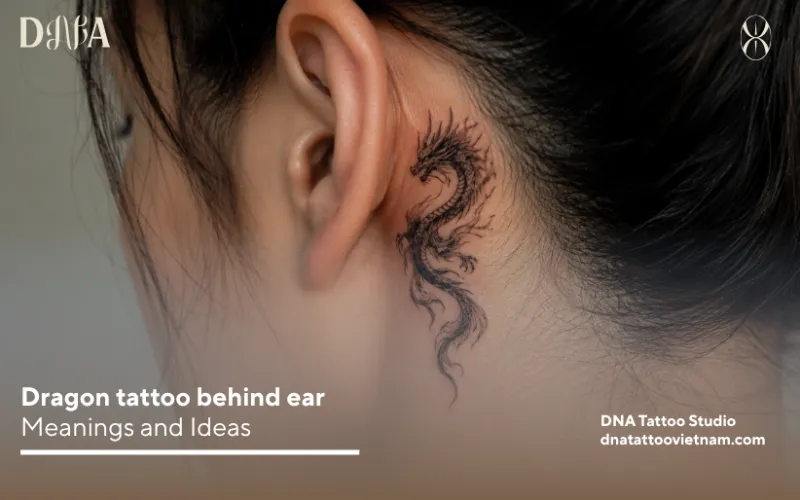
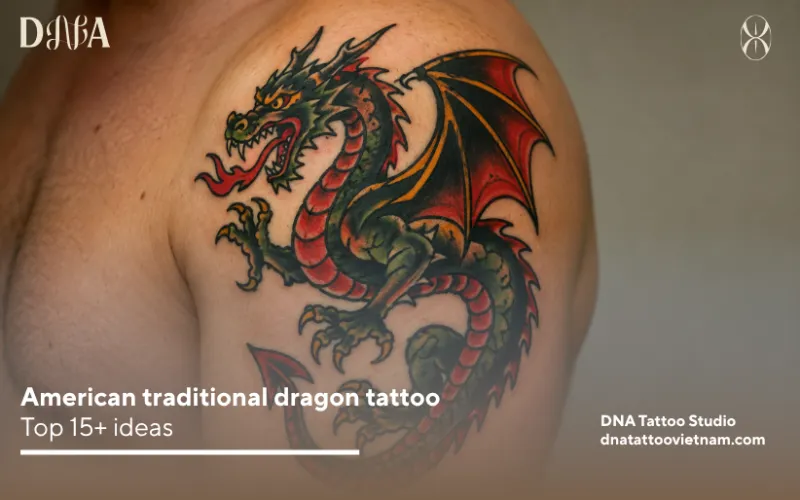
- Snakes or dragons: Duality, internal passion, and transformation.
- Tigers or wolves: Leadership, kinship, and raw strength.
- Turtles or koi fish: An affinity for water, endurance, and patience.
These animals can be depicted using classic Asian or Polynesian iconography, or simplified into abstract, youthful shapes. The creature’s stance and movement will often dictate how the design trails along the spine, limbs, or torso. Additionally, natural elements like sweeping wind lines, sun rays, mountain peaks, or ocean waves can be integrated to form organic designs that highlight elegance and fluidity.

4.3. Contemporary tribal adaptations
Although honoring the ancient and cultural origins of tribal ink is important to many, some opt for modern hybrids that translate traditional aesthetics into current artistic trends. A few contemporary techniques include:
- Minimalist designs: Utilizing sharp geometry, sparse lines, and clever negative space.
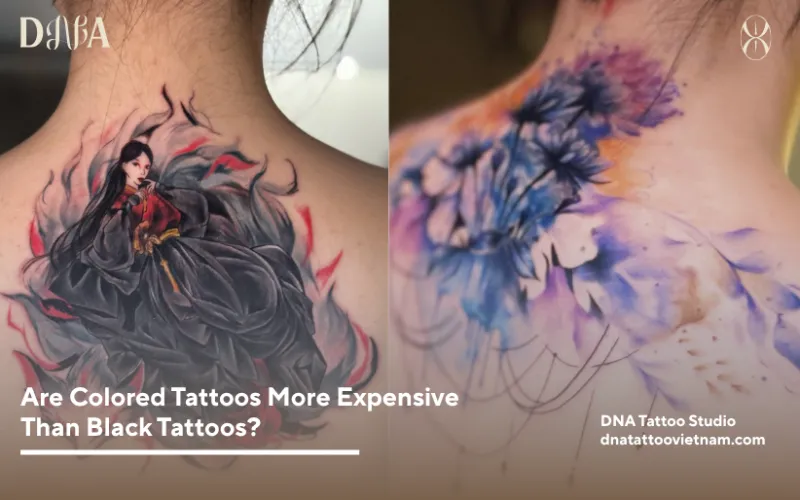
- Watercolor blends: Merging the striking contrast of tribal lines with expressive, vibrant splashes of color.
- Script and tribal hybrids: Weaving modern personal symbols, music elements, or meaningful quotes into ancient motifs.
For numerous individuals, these modern twists serve as a way to link personal individuality with cultural appreciation. This is particularly true for those who may not belong to a specific indigenous lineage but still wish to respectfully adopt the striking visuals of tribal art. In these cases, the layout acts as a bridge – honoring the symbolic framework of classic tribal work while tailoring the content to fit a modern lifestyle and personal meaning.

5. Why neo-tribal tattoo has become a youth trend
The evolution of traditional markings into contemporary interpretations has captured modern aesthetic movements through the rise of the neo-tribal tattoo. This style reinterprets classic traditions by maintaining core elements such as bold black shapes, zigzag lines, sharp triangles, and repeating patterns, while incorporating abstract, personalized, and sometimes colorful additions. Rather than copying traditional motifs, artists use them as building blocks, deconstructing ancient visual language to create unique compositions tailored to the wearer’s body and personality, honoring the past while embracing individuality.
Young people are especially drawn to neo-tribal tattoos for their blend of heritage and modern expression, with many first-time clients exploring creative ideas through reputable cheap tattoo shops that still prioritize artistic quality. The bold aesthetics create a strong visual presence that resonates with contemporary culture and even influences modern tattoo studio design focused on blackwork and geometric visual themes. Professional fighters and creatives often choose these designs to project strength and individuality, while also fostering a sense of belonging to a broader artistic or underground movement, where neo-tribal tattoos act as a modern visual identity.

6. How to choose a tribal or neo-tribal tattoo style
Navigating the selection process for a Tribal tattoo requires balancing aesthetic appreciation with deep cultural respect by carefully studying the origins of specific patterns to avoid misusing sacred or restricted designs. For those outside the originating communities, commissioning bespoke abstract artwork provides a highly responsible alternative that prevents cultural appropriation, allowing individuals to proudly wear the bold visual strength of these ancient traditions while maintaining strict ethical awareness.

Tribal tattoo artistry bridges the profound gap between ancient indigenous heritage and dynamic modern expression. Whether tracing the sacred geometry of Polynesian Ta Moko or the protective mythical dragons of ancient Vietnamese traditions, these bold markings remain deeply symbolic. The rising neo-tribal trend perfectly adapts these historical aesthetics for modern individuals seeking both aesthetic strength and personal cultural connection. Understanding the rich origins ensures that these powerful designs are chosen carefully, worn proudly, and treated with the utmost respect for the generations that created them.
If you have any questions or need more information about our tattoo services at DNA Tattoo Vietnam, feel free to contact us through the following channels:
- Hotline: (+84) 368 000 690
- Email: dnatatstudio@gmail.com
- Website: https://dnatattoovietnam.com/
- Facebook: https://www.facebook.com/dnatatstudio/
- Instagram: https://www.instagram.com/dna.tattoostudio/
- Google Map: https://www.google.com/maps?cid=12105924435380523917