Yakuza tattoo is a traditional Japanese body art carrying profound cultural meanings and highly codified symbols. Rather than focusing solely on complex historical narratives or Edo period origins, modern enthusiasts appreciate this Irezumi style as the pinnacle of technical tattooing and personal dedication. These designs showcase personal identity while proving the wearer’s courage, resilience, and life philosophy. DNA Tattoo Studio will guide how to explore and select these remarkable designs.
1. What is a Yakuza tattoo?
Historically used to brand criminals, complex Japanese Irezumi tattoos were reclaimed by underground groups as powerful symbols of loyalty and pride. Today, these elaborate full body designs are highly celebrated for their immense artistic value and the sheer endurance they require. While traditional pieces demand significant dedication, even modern cheap tattoo shops can provide excellent craftsmanship and professional aftercare without sacrificing the strict visual standards of this historic art.

In contemporary culture, acquiring an Irezumi tattoo flows seamlessly into modern society as a powerful way to carry forward a profound heritage. Individuals who possess these designs embrace the ancient spirit of the tradition while adapting it to modern aesthetics. Furthermore, this old traditional Japanese style is incredibly stylish. When utilizing a rich palette of vibrant colors on large-scale placements, the artwork creates a bold, sophisticated, and undeniably cool/edgy visual impact.


2. Common Yakuza tattoo symbols and their meanings
Every single detail within a traditional Japanese tattoo carries a specific message representing various life philosophies.
2.1. The powerful dragon in a Yakuza tattoo
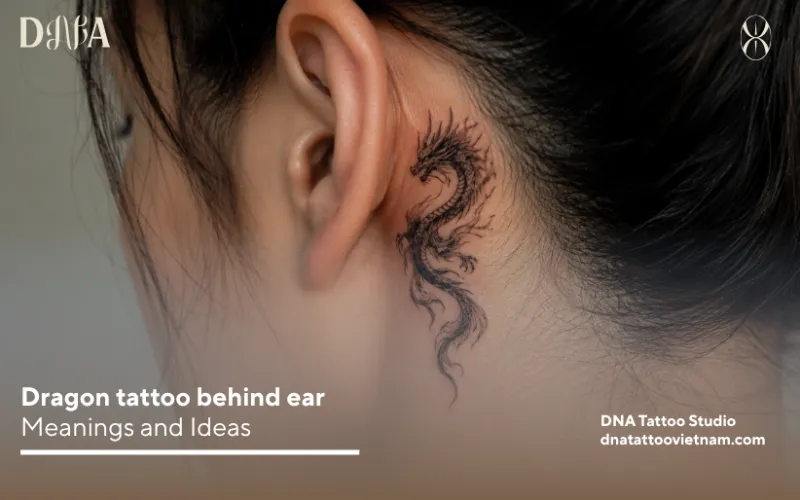
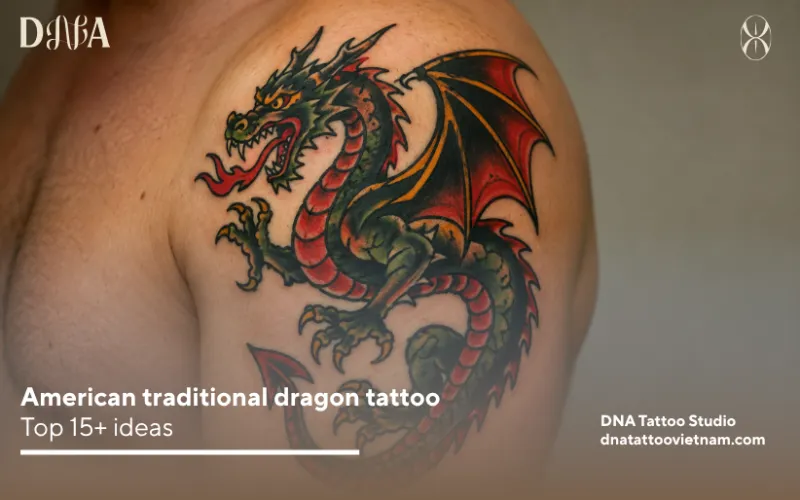
Unlike Western dragons, the revered Japanese dragon is the undisputed master of the sky and a symbol of massive power, profound wisdom, and protection in Asian culture. Often prominently featured in a traditional Yakuza tattoo, this mythological creature brings immense blessings and good fortune by magically manipulating wind and water, signifying the wearer’s deep desire for unrivaled strength and continuous personal growth.

2.2. The resilient koi fish symbol
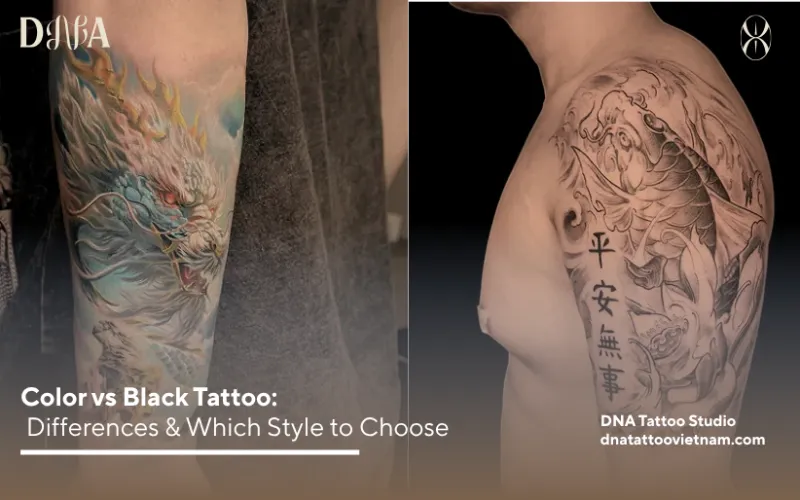
Serving as a classic emblem of good luck and the courage to overcome extreme adversity, the koi fish symbolizes sheer willpower and perseverance. Especially when featured in a striking Yakuza tattoo, it represents the timeless legend of a koi transforming into a mighty dragon after conquering a powerful waterfall.

2.3. The fierce tiger or tora meaning
Universally considered the absolute master of the earthly realm, the tiger symbolizes raw primal strength, immense courage, and fierce protection against evil spirits. When featured alongside a dragon in a Yakuza tattoo, the tiger is typically positioned facing upward to issue a direct challenge, creating a perfect spiritual balance that represents the eternal battle between heaven and earth while also guiding souls in the afterlife.

2.4. The ephemeral cherry blossom aesthetic
Reflecting the deeply philosophical concept of life’s fleeting nature, the fragile beauty and brief blooming period of cherry blossoms serve as a constant reminder that human existence is temporary. Strongly tied to the samurai Bushido code, these delicate falling petals encourage the wearer to live fully and honorably, adding a crucial layer of poetic softness to an otherwise intimidating Yakuza tattoo.

2.5. The demonic oni mask and hannya protection
Despite the common misconception that demon designs represent evil intentions, oni and hannya masks in a traditional Yakuza tattoo actually serve as powerful protective deities. These fearsome entities punish the wicked and aggressively scare away evil spirits, providing a strong spiritual shield against bad luck and showcasing the wearer’s resolute strength, decisive nature, and absolute readiness to confidently face malevolent forces.

2.6. The snake and phoenix symbols
Within Japanese tattoo culture, the snake and the phoenix combine to create a comprehensive narrative of human resilience. While the snake carries a complex dual meaning of bad luck intertwined with immense earthly power and deep wisdom, the mythological phoenix heavily symbolizes glorious rebirth and ultimate triumph over severe hardships. A Yakuza tattoo featuring these powerful creatures embodies the profound concept of starting a completely new path, metaphorically burning the old life to ashes in order to rise again stronger and wiser.

3. Yakuza tattoo designs and style ideas
The structural layout of a Japanese tattoo strictly follows rigorous artistic rules to guarantee absolute visual harmony.
3.1. Full body suits and horimono designs
Representing the absolute pinnacle of the Yakuza tattoo tradition, the horimono is a breathtaking full body suit of ink that demands an individual’s lifelong dedication to complete. Rather than featuring scattered images, it acts as a seamless, highly unified narrative canvas where the backpiece dictates the overarching theme, while the remaining symbols meticulously connected across the chest, abdomen, arms, and thighs function strictly as supportive frames for this magnificent central artwork.

3.2. Sleeve variations and traditional boundaries
For individuals not pursuing a full horimono, traditional sleeves offer a structurally demanding alternative that requires flawless calculation of body proportions. These designs are strictly categorized by precise stopping points at the wrist, forearm, or elbow to ensure complete concealment under clothing and preserve the historic secrecy of the culture. Alternatively, smaller Japanese designs have also become increasingly popular within modern flash tattoo Hanoi collections.
3.3. Background elements and mikiri integration
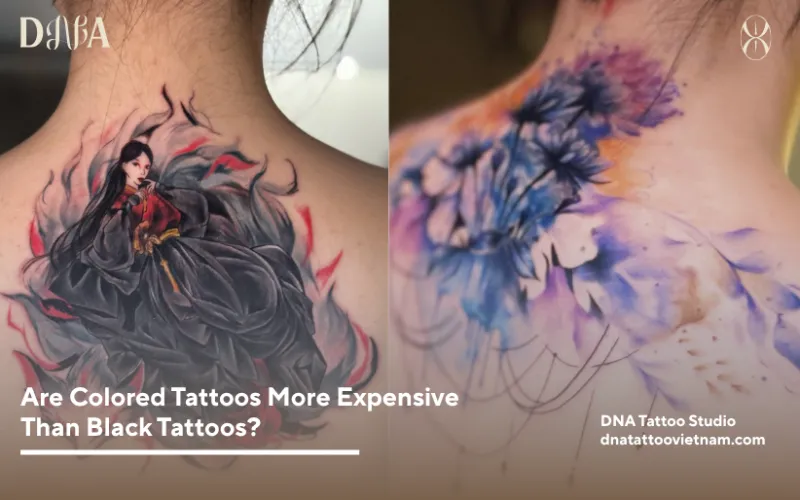
The mikiri is an essential component that bridges isolated motifs into a singular Yakuza tattoo masterpiece by utilizing heavily stylized background filler like crashing waves, wind bars, and rolling clouds. Conventionally executed with dense black and saturated grey shading to create an intense visual contrast that makes the brightly colored primary subjects vividly pop, these dynamic elements seamlessly fill empty skin spaces, generate captivating rhythmic movement, and strictly align with specific seasonal rules.

4. Placement, size, and pain of Yakuza tattoos
Acquiring traditional body art necessitates rigorous mental preparation and a deep understanding of specific anatomical boundaries.
4.1. Traditional concealment and the munewari style
A defining characteristic of a proper Yakuza tattoo is its intentional invisibility to the general public, designed to remain completely hidden under typical clothing. This is perfectly exemplified by the munewari, a unique layout that deliberately leaves a vertical strip of uninked skin down the center of the torso, allowing members to casually wear open kimonos without revealing their underworld affiliations and strongly emphasizing their personal humility.

4.2. Massive scale and financial investment
Unlike smaller contemporary tattoos, the Yakuza style is inherently macro-scaled, demanding a comprehensive, long-term artistic vision. A cohesive backpiece alone can easily consume hundreds of grueling hours spanning across several consecutive years. Maintaining strict consistency in line weight, color saturation, and shading gradients over such massive skin areas is incredibly difficult.
It is considered the ultimate test of a master Yakuza tattoo artist’s technical endurance and skill. Choosing the best tattoo artist in Hanoi is especially important for maintaining consistency across massive Irezumi compositions. Consequently, serious collectors must secure a substantial financial budget to fund this monumental artistic journey. Many international clients researching Hanoi tattoo prices appreciate the ability to access large-scale Japanese tattoo work at highly competitive rates. A high-quality Irezumi tattoo represents a premium investment in traditional craftsmanship.
4.3. Navigating the extreme application pain
The traditional tebori method utilized for a Yakuza tattoo involves rhythmically puncturing the skin with specialized tools, producing a severe stinging sensation across massive surface areas that deeply tests human endurance. Remaining completely stoic and quietly enduring dozens of hours of this immense physical discomfort is considered a highly respected virtue and a mandatory psychological test of the wearer’s honor, self respect, and raw mental fortitude, ultimately making the finished masterpiece infinitely more valuable.

5. Aftercare and long-term considerations for large Japanese tattoos
Safeguarding a massive expanse of delicate skin filled with vibrant colors and deep blacks demands extreme daily discipline.
5.1. Immediate healing protocols and hygiene
To prevent infection and ensure your Yakuza tattoo heals smoothly, gently wash the area daily with unscented antibacterial soap and apply a thin layer of breathable ointment. During the critical first two weeks, it is mandatory to wear loose cotton clothing to prevent damaging friction and strictly avoid picking or peeling any scabs.
5.2. Strict sun protection and preservation
Since UV radiation from direct sunlight aggressively breaks down ink and fades the vibrant contrast of a Yakuza tattoo, applying broad-spectrum sunscreen daily and wearing UPF clothing outdoors are essential to preserve the artwork’s original impact.
5.3. Managing inevitable long-term fading
Despite flawless aftercare, the gradual fading of a Yakuza tattoo is biologically inevitable as the immune system slowly breaks down the ink particles over time. To actively slow this degradation and ensure the Irezumi ages gracefully, individuals should maintain daily skin hydration and a stable body weight, though professional touch-ups can always be scheduled to refresh the artwork.

Far beyond mere decoration, Yakuza tattoo artistry is a profound cultural heritage that celebrates courage and personal journeys. By embracing the phenomenal craftsmanship and motifs like dragons or sakura, enthusiasts proudly preserve a permanent masterpiece on their skin.
The studio also prioritizes professional tattoo studio design to create a comfortable environment suitable for long Japanese tattoo sessions and detailed large-scale compositions. If you have any questions or need more information about our tattoo services at DNA Tattoo Vietnam, feel free to contact us through the following channels:
- Hotline: (+84) 368 000 690
- Email: dnatatstudio@gmail.com
- Website: https://dnatattoovietnam.com/
- Facebook: https://www.facebook.com/dnatatstudio/
- Instagram: https://www.instagram.com/dna.tattoostudio/
- Google Map: https://www.google.com/maps?cid=12105924435380523917