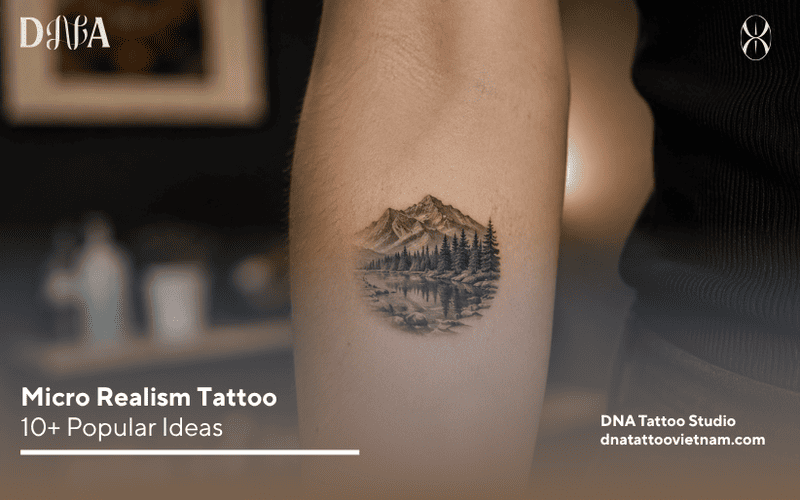
Graphic tattoos combine bold shapes, clean lines, and modern illustration to create distinctive body art. DNA Tattoo can help you explore different styles, placements, and design ideas when choosing from trusted studios tattoo in Hanoi.
1. What are graphic tattoos?
Understanding graphic tattoos requires examining the intersection of contemporary body art and modern design principles often explored at a modern tattoo shop focused on contemporary aesthetics. This aesthetic represents a clear departure from historical methods of skin illustration. Graphic tattoos function as a contemporary style that blends traditional fine art with graphic-design principles, creating designs that resemble complex illustrations or printed artwork rather than historical tattoos. This approach appeals to individuals seeking modern visual representation on their skin, emphasizing a shift toward structured, design-driven aesthetics.
Instead of imitating reality, graphic tattoos focus on structural visual elements, avoiding lifelike portraits or naturalistic scenes. They prioritize fundamental components of visual communication, using bold shapes and striking compositions to achieve strong visual impact. Every element involves intentional design choices that maintain cohesion and structure. By treating the body as a canvas, this style transforms skin into a medium for modern visual art, elevating body modification to the level of contemporary fine art often associated with the best tattoo studio Hanoi collectors seek for high-concept designs.

2. Key features of the graphic tattoo style
Examining the primary characteristics of graphic tattoos reveals a strict reliance on fundamental visual elements rather than traditional shading techniques. The style utilizes specific methods to achieve its signature visual appearance.
2.1 Utilization of sharp and clean lines
Graphic tattoos typically use sharp, clean lines as their foundational visual component. These precise outlines define the boundaries of the artwork without relying on blurred edges or soft transitions. The clarity of these lines ensures that graphic tattoos remain highly readable and structurally intact. Sharp lines contribute significantly to the overall modern aesthetic of the completed design.

2.2 Strong contrast and geometric forms
Another defining feature of graphic tattoos involves the deliberate application of strong contrast. Artists juxtapose dark and light elements to create dynamic visual tension within the design. Additionally, the widespread use of geometric forms provides a mathematical precision to the artwork. Triangles, circles, squares, and other geometric forms create a sense of strict structural organization.
2.3 Integration of abstract structures
Beyond simple geometry, graphic tattoos frequently incorporate highly abstract structures. These abstract structures allow for complex visual representations that do not strictly adhere to natural physical laws. The structural abstraction gives the artist freedom to explore unique visual pathways. Abstract structures remain a core component of the modern graphic aesthetic.
2.4 Reliance on lines, shapes, and patterns
The creators of graphic tattoos often rely heavily on basic lines, shapes, and repetitive patterns. These foundational elements construct the entirety of the visual composition. By focusing on shapes and patterns, the artist constructs a cohesive image built upon fundamental design concepts. This reliance on primary elements defines the core methodology of graphic tattoos.

2.5 The interplay of positive and negative space
A crucial technique within graphic tattoos is the intentional interplay of positive and negative space. Artists carefully balance the inked areas with the untouched skin to create comprehensive visual harmony. The negative space functions just as importantly as the applied pigment. This precise interplay ensures the design breathes and interacts naturally with the body.
2.6 Absence of realistic shading
Graphic tattoos specifically avoid utilizing realistic shading or smooth gradients. Instead of these traditional techniques, the style relies entirely on the aforementioned lines, shapes, and contrasts. The rejection of realistic shading or gradients reinforces the contemporary, illustrative nature of graphic tattoos. This methodological choice guarantees a distinctly modern visual presentation.
2.7 Powerful minimalist impact
Ultimately, the combination of these specific design choices gives the style a powerful, minimalist impact. Graphic tattoos achieve substantial visual weight without requiring excessive visual clutter or unnecessary details. The minimalist impact ensures the core message or aesthetic remains immediately understandable and striking.

3. Symbolism and meaning behind graphic tattoos
The conceptual foundations of graphic tattoos encompass both profound spiritual representations and purely aesthetic visual statements. Individuals select these designs for a variety of deeply personal and structural reasons.
3.1 Carrying deeper symbolism
Many graphic tattoos carry deeper symbolism beyond their immediate visual appearance. The structured nature of the artwork allows for complex metaphorical representations. Individuals often utilize the distinct shapes and lines to encode personal beliefs or conceptual ideas. Graphic tattoos thus function as visual communicators of profound internal concepts.

3.2 Sacred geometry patterns
A prominent symbolic element within graphic tattoos involves the use of sacred geometry patterns. These specific mathematical structures frequently represent the fundamental balance of the natural world. Furthermore, sacred geometry patterns often symbolize the universal interconnectedness of life. These precise designs connect the individual to broader cosmological concepts through modern visual art.
3.3 Abstract forms for personal expression
Graphic tattoos regularly utilize abstract forms to express complex emotional or psychological states. These abstract forms excel at representing ongoing personal growth. Additionally, individuals use these unconstrained structures to symbolize major life transformations. The abstraction allows for a highly personal interpretation of the geometric layout.

3.4 Purely aesthetic appeal
At the same time, some designs are chosen purely for their immediate aesthetic appeal. Not all graphic tattoos require profound philosophical or spiritual interpretations. Many individuals simply appreciate the bold visual statement that the style inherently provides. The striking nature of the artwork stands independently as a valuable characteristic.
3.5 Personal pieces of modern art
By prioritizing bold compositions, graphic tattoos effectively turn the tattoo into a personal piece of modern art. The individual becomes a walking gallery displaying intentional design choices. This transformation elevates the skin into a platform for contemporary artistic expression. Graphic tattoos successfully merge personal identity with high-level modern art aesthetics.

4. Popular body placements for graphic tattoos
Selecting the optimal anatomical location for graphic tattoos maximizes the visual impact of the chosen geometric or minimalist design. Different areas of the human body serve specific aesthetic purposes.
4.1 Placements for larger designs
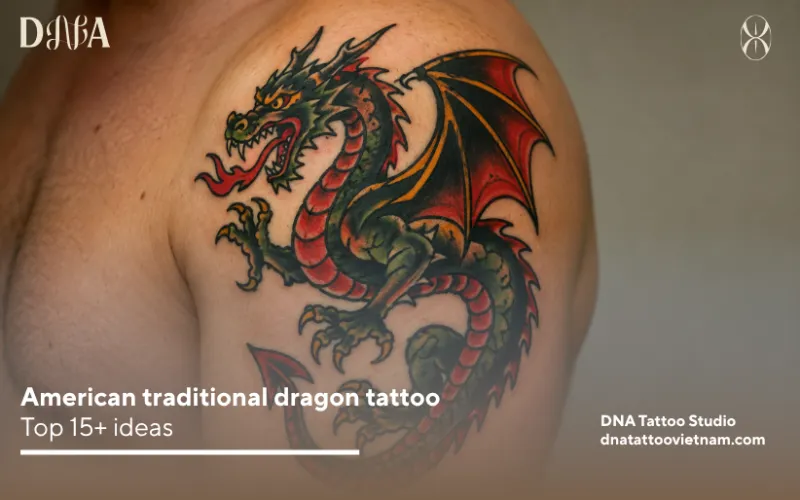
Common placements for graphic tattoos frequently include the arms, back, chest, and thighs. These expansive anatomical regions provide an adequately large canvas for complex artwork. Artists utilize these broad areas where larger designs can fully exploit the style’s inherent geometry. The flat and curved surfaces of these regions accommodate substantial visual statements.

4.2 Exploiting symmetry and composition
Placing graphic tattoos on the arms, back, chest, or thighs allows the design to exploit essential symmetry. The natural bilateral symmetry of the human body complements the geometric forms perfectly. Furthermore, these large placements allow the artist to maximize the overall composition. Proper anatomical placement enhances the structural integrity of tattoos.
4.3 Areas for smaller pieces
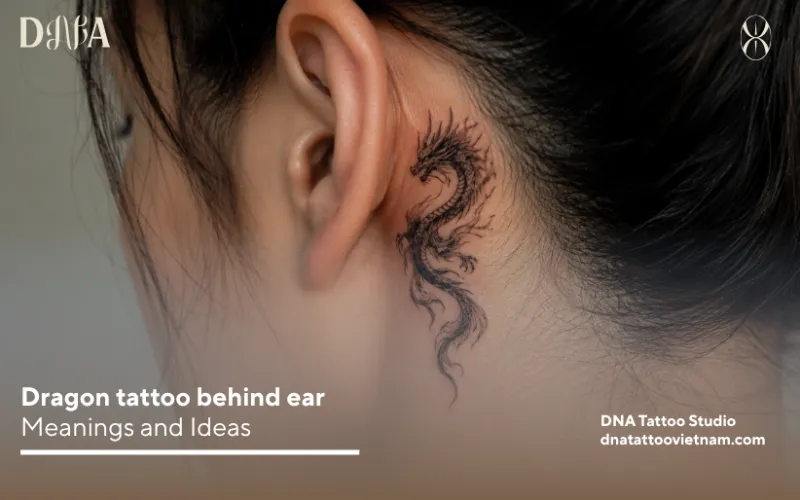
Conversely, different anatomical zones work exceptionally well for smaller pieces. Areas like the wrist, ankle, behind the ear, or the fingers serve as excellent locations for condensed artwork. These confined spaces naturally complement the minimalist impact of the style, making them especially suitable for a compact flash tattoo Hanoi concept with geometric elements. Graphic tattoos adapt beautifully to these restricted anatomical regions.

4.4 Minimalist graphic symbols
The wrist, ankle, behind the ear, or fingers specifically work well for minimalist graphic symbols. These isolated symbols maintain their visual power despite their reduced physical dimensions. Additionally, these smaller areas perfectly accommodate simple line-based designs. Graphic tattoos thus offer versatile options ranging from massive compositions to tiny, precise statements.

5. How to choose a good graphic tattoo design
The process of selecting appropriate graphic tattoos involves careful consideration of individual preferences and physical anatomy. Proper planning guarantees a successful and visually striking final result, while researching Hanoi tattoo prices also helps clients prepare for larger custom graphic projects.
5.1 Discussing layout and size
When choosing a graphic tattoo, individuals must carefully discuss the overall layout and physical size. Collaborating directly with an experienced artist remains a necessary step in the planning phase, especially when working with a best tattoo artist in Hanoi known for precision-based graphic compositions. The artist can provide vital insight into how the geometric forms will translate onto human skin. Thorough communication regarding layout ensures the graphic tattoos meet all structural expectations.
5.2 Following the body’s shape
It is crucial to discuss how the design follows the body’s natural shape. Graphic tattoos must interact harmoniously with the underlying musculature and bone structure. An experienced artist will adjust the striking compositions to complement the physical anatomy perfectly. Aligning the intentional design choices with the body’s shape maximizes the artwork’s visual impact.

5.3 Considering personal style and symbolism
Individuals should deeply consider their own personal style before finalizing a design. The chosen aesthetic must align with the individual’s broader visual preferences. Additionally, it is important to consider any specific symbolism you want to express through the abstract structures. Graphic tattoos should accurately reflect the wearer’s internal concepts or desired bold visual statement.
5.4 Selecting a color palette
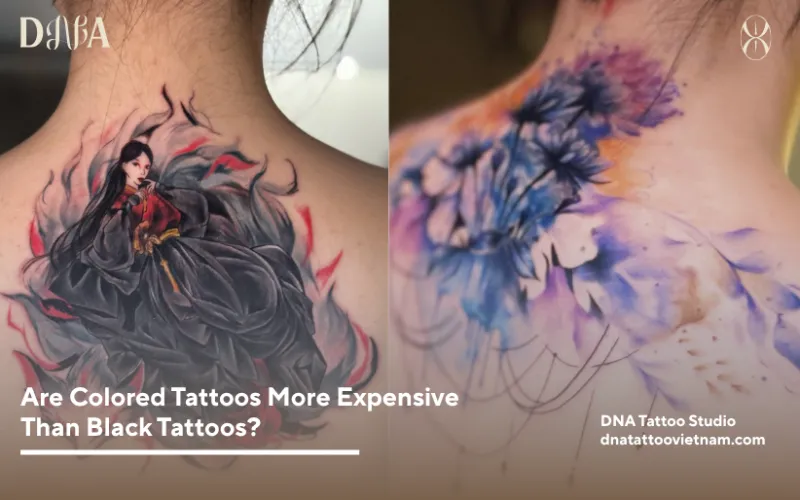
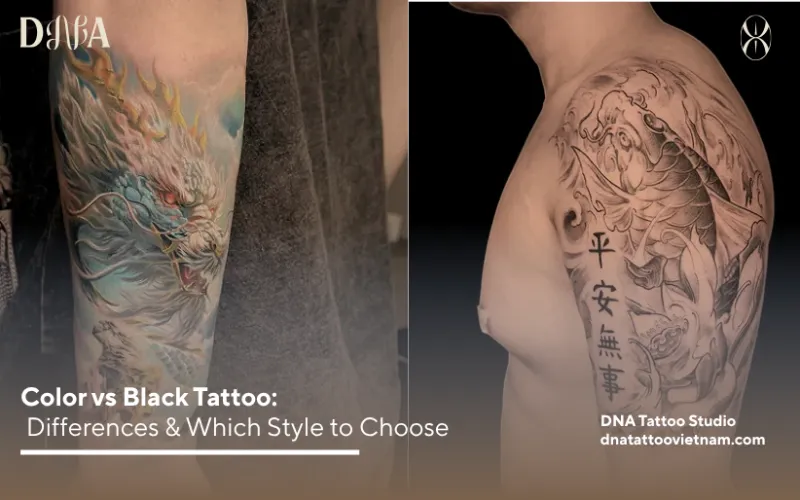
During the selection process, individuals must decide whether they prefer a standard monochrome graphic look. Many graphic tattoos rely entirely on black ink to emphasize strong contrast and negative space. Alternatively, one might prefer a design with selective color accents to highlight specific geometric forms. Both options remain highly relevant within the contemporary style of graphic tattoos.

6. Current trends in graphic tattoos worldwide
The global landscape of graphic tattoos continuously evolves through the integration of diverse artistic influences and modern aesthetics. Recognizing these movements helps contextualize the style’s massive popularity.
6.1 Global popularity and visual appeal
Globally, graphic tattoos are incredibly popular among people who desire deeply unique artwork. The style specifically appeals to individuals who want bold and visually striking body art that undeniably stands out, including younger clients exploring creative options at reputable cheap tattoo shops without sacrificing artistic direction. The departure from trying to imitate reality resonates strongly with modern audiences worldwide. Graphic tattoos represent a premier choice for contemporary self-expression.

6.2 Mixing graphic style with other aesthetics
Current trends include creatively mixing the core graphic style with other established tattoo aesthetics. Artists frequently combine sharp clean lines with intricate dotwork techniques. Additionally, mixing graphic tattoos with standard line work creates beautiful textural variations. These combinations expand the visual vocabulary of the contemporary tattoo style.

6.3 Surreal and cyberpunk inspirations
The modern evolution of graphic tattoos frequently incorporates surreal conceptual elements. Furthermore, there is a massive trend involving cyberpunk-inspired designs that utilize complex geometric forms and abstract structures. These futuristic influences blend perfectly with the intentional design choices of graphic tattoos. The resulting artwork pushes the boundaries of modern visual art on the body, often inspiring modern tattoo studio design concepts centered around futuristic and minimalist aesthetics.
6.4 Staying true to foundational elements
Despite the mixing of styles and futuristic inspirations, artists ensure the work stays true to foundational elements. The contemporary trends continue staying true to the required clean lines. Moreover, artists maintain their focus on delivering high-impact compositions. This dedication to core principles ensures graphic tattoos retain their distinct identity worldwide.

Graphic tattoos provide individuals with a powerful method to express personal growth, aesthetic appreciation, and modern visual art directly on their skin. The distinct combination of sharp, clean lines, strong contrast, and geometric forms ensures these designs remain visually striking. Whether prioritizing profound symbolism like sacred geometry or focusing purely on bold visual statements, this contemporary style transforms the body into a remarkable canvas. The careful selection of placement and intentional design choices guarantees a lasting, high-impact artistic presentation for anyone embracing this modern aesthetic.
If you have any questions or need more information about our tattoo services at DNA Tattoo Vietnam, feel free to contact us through the following channels:
- Hotline: (+84) 368 000 690
- Email: dnatatstudio@gmail.com
- Website: https://dnatattoovietnam.com/
- Facebook: https://www.facebook.com/dnatatstudio/
- Instagram: https://www.instagram.com/dna.tattoostudio/
- Google Map: https://www.google.com/maps?cid=12105924435380523917