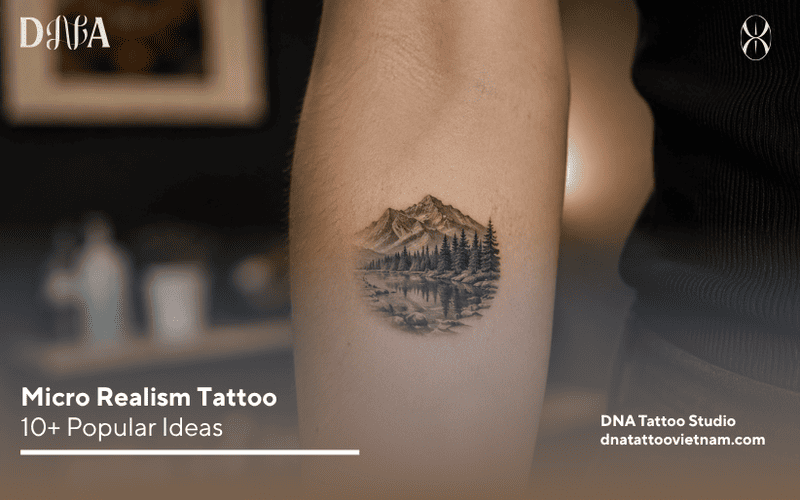
A maori tattoo reflects ancestry, identity, and spiritual heritage through meaningful traditional motifs. DNA Tattoo can help you understand the symbolism and choose a design that suits your story, whether you prefer a custom appointment or a walk in tattoo studio.
1. Cultural meaning of Maori tattoo and Ta Moko
Traditionally serving as a sacred visual ID to showcase a person’s tribal status and ancestry, a maori tattoo has gracefully evolved into a global symbol of pride. While traditional “Ta Moko” remains strictly for indigenous people, “Kirituhi” designs allow individuals worldwide to respectfully embrace these ancient Polynesian geometric patterns. This modern adaptation transforms the intricate art form into a beautiful bridge, connecting deep historical roots with contemporary personal expression.

2. Traditional techniques and symbolism in Maori tattooing
The methods used to apply a Maori tattoo are as significant as the designs themselves, reflecting endurance and spiritual strength. Traditional Ta Moko involved carving the skin using bone chisels called “uhi,” creating deep grooves that formed a distinct three-dimensional texture. This painful process tested the wearer’s fortitude and commitment, with the resulting scars serving as a lasting reminder of bravery and resilience.
The pigments were made from natural materials like burnt wood or specific caterpillars, mixed with oils or resins to maintain durability. Many international travelers researching Hanoi tattoo prices are often surprised by the balance between technical precision, hygiene standards, and artistic customization available in Vietnam. Each step was accompanied by ritual chants to protect the wearer’s “mana,” and today, modern artists continue to honor these traditions by following strict geometric principles rooted in ancestral practices.

3. Popular Maori tattoo motifs and their meanings
The visual vocabulary of a Maori tattoo is composed of various symbols that represent nature, mythology, and human characteristics.
3.1. The koru (unfurling fern)
The koru (shaped like an unfurling silver fern) is a fundamental element in any Maori tattoo that symbolizes new beginnings, personal growth, and the continuous cycle of life. When multiple koru patterns intertwine, they beautifully represent family relationships and the flow of life across generations. These graceful curves not only honor deep family bonds but also provide the fluid movement that defines this striking artistic aesthetic.

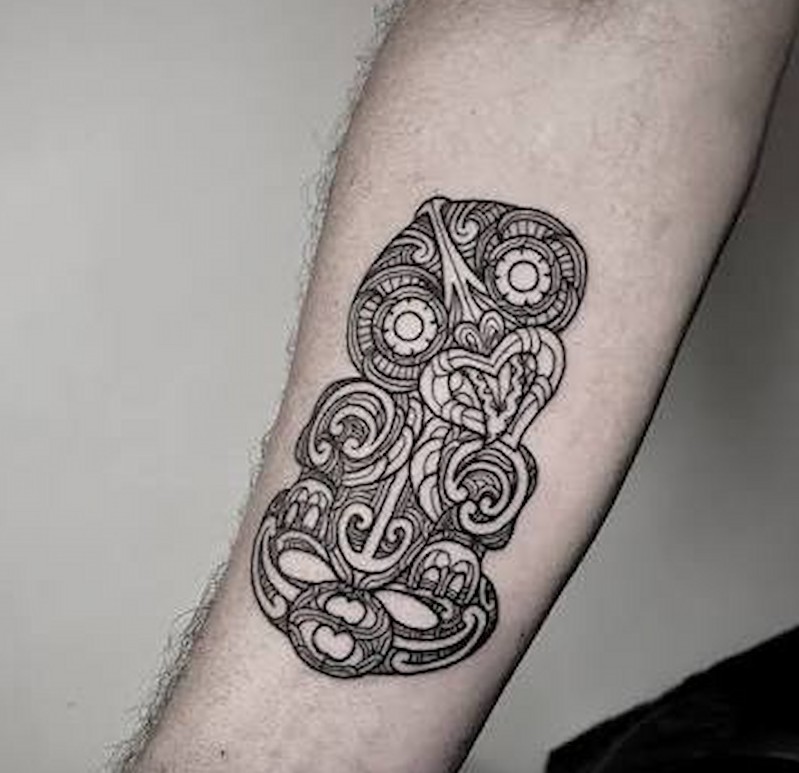
3.2. The hei tiki (humanoid figure)
The hei tiki is a powerful mythological symbol representing the first human or an unborn embryo. As a central element in a maori tattoo, this prominent figure acts as a guardian spirit providing ancestral protection, fertility, and clear thinking. Its large watchful eyes are believed to ward off evil influences and attract good luck. Incorporating this prestigious talisman ultimately adds a profound layer of ancient spiritual authority and wisdom to the body art.

3.3. The hei matau (fish hook)
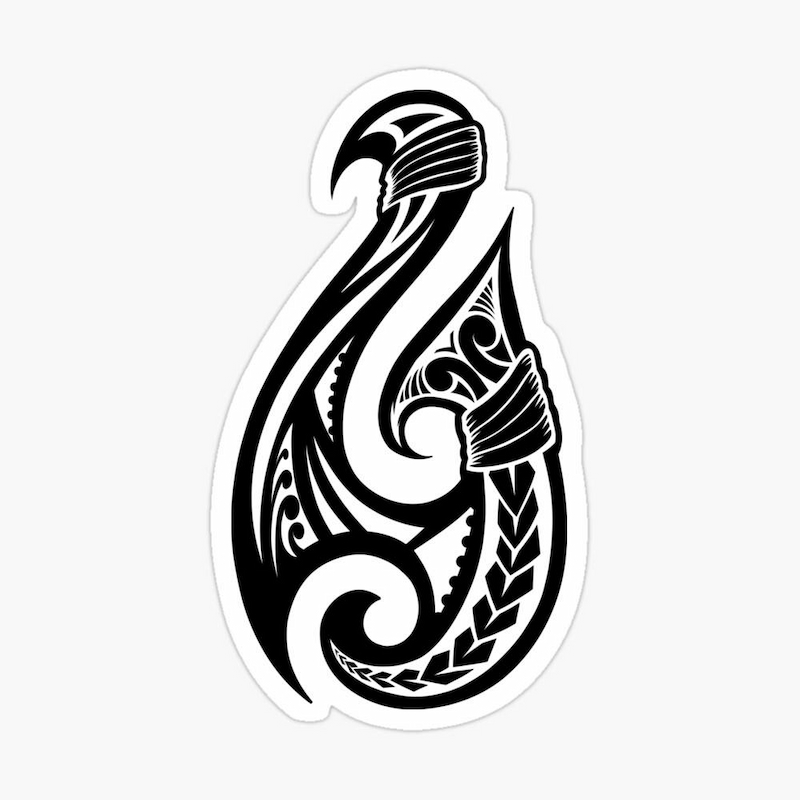
The hei matau is a prominent motif in a Maori tattoo that celebrates a deep connection to the ocean while symbolizing strength, determination, and prosperity. Historically seen as a vital tool for survival, this design represents a capable provider who sustains their community. Spiritually, it acts as a protective charm for safe passage over water. It also honors the legend of Maui pulling the North Island from the sea, deeply connecting the wearer to the legendary feats of Polynesian demigods.

3.4. The manaia (spiritual guardian)
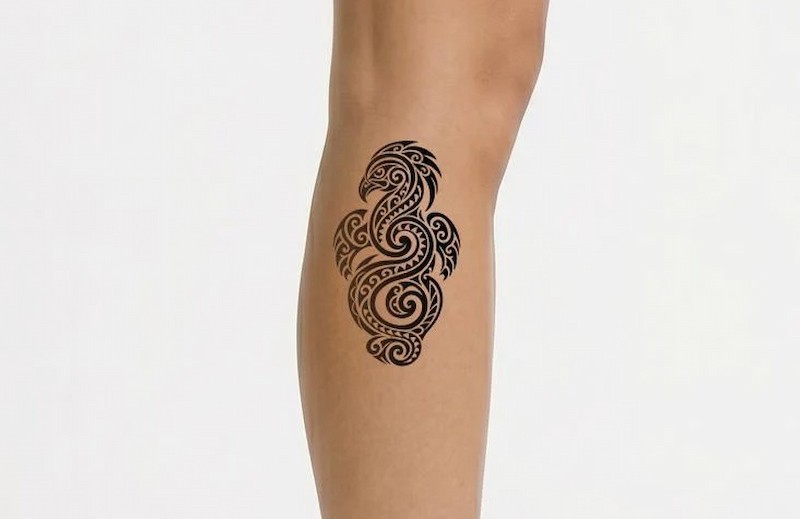
Imagine wearing a guardian angel right on your skin. That is the essence of the manaia. It is a mystical creature that blends the head of a bird, the body of a man, and the tail of a fish. This mythological hybrid often anchors a meaningful Maori tattoo. Acting as a divine messenger across the sky, earth, and sea, this powerful guardian beautifully bridges our physical reality with the spiritual realm. By featuring the manaia in your body art, you invite fierce protection against negative energies. It also guides you gracefully through life’s difficult transitions. Its presence proves your soul remains perfectly in tune with the unseen forces of the universe.

3.5. The pikorua (twist)
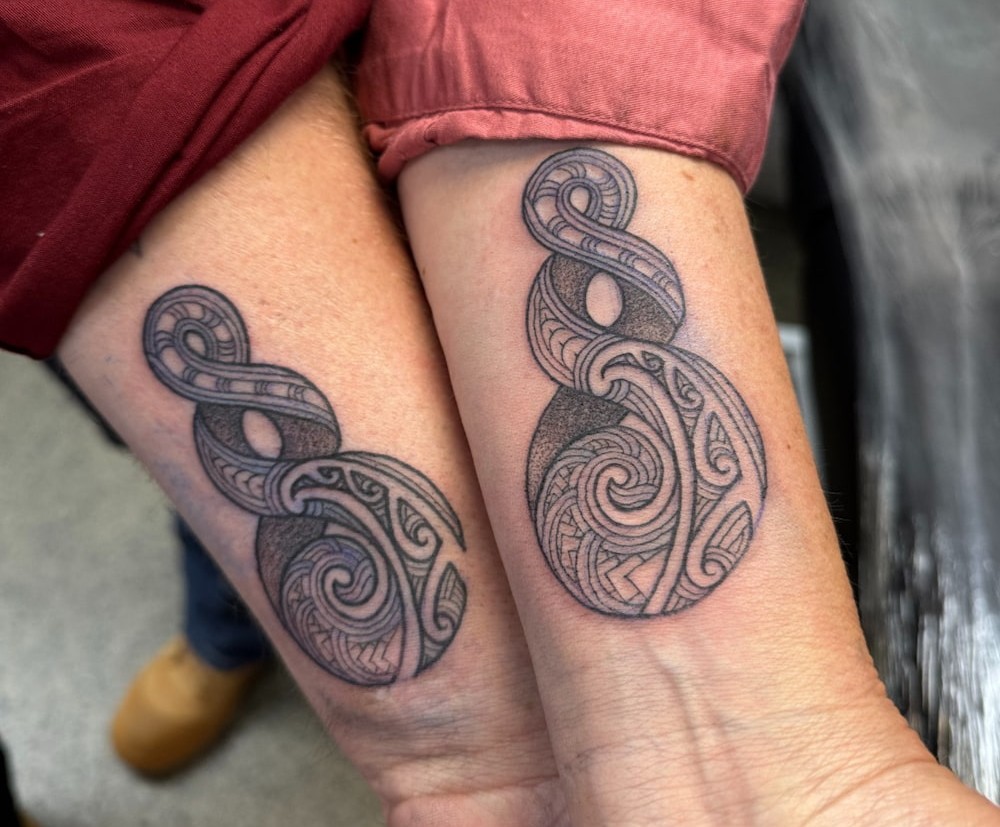
The pikorua is an elegant geometric twist that beautifully captures the essence of eternal human connection. When etched into a Maori tattoo, this motif represents an unbreakable bond between lives. A single twist honors the intimate commitment between partners or close friends. Double and triple twists celebrate the profound harmony woven across entire communities. Resembling an intricate infinity loop, this symbol serves as a permanent vow of enduring partnership and a sweet reminder that our paths will always cross again.

3.6. Pakati and hikuaua (geometric infill)
Pakati and hikuaua are special filling patterns that add clear meaning to a Maori tattoo. The pakati design looks like an animal skin cloak. It directly represents physical strength, bravery, and a tough warrior spirit. The hikuaua design looks like a fish tail. This specific pattern stands for wealth, success, and the ability to provide for others. By using these geometric shapes, artists make sure that every single inch of the body art has a very distinct and intentional purpose.

3.7. Unaunahi (fish scales)
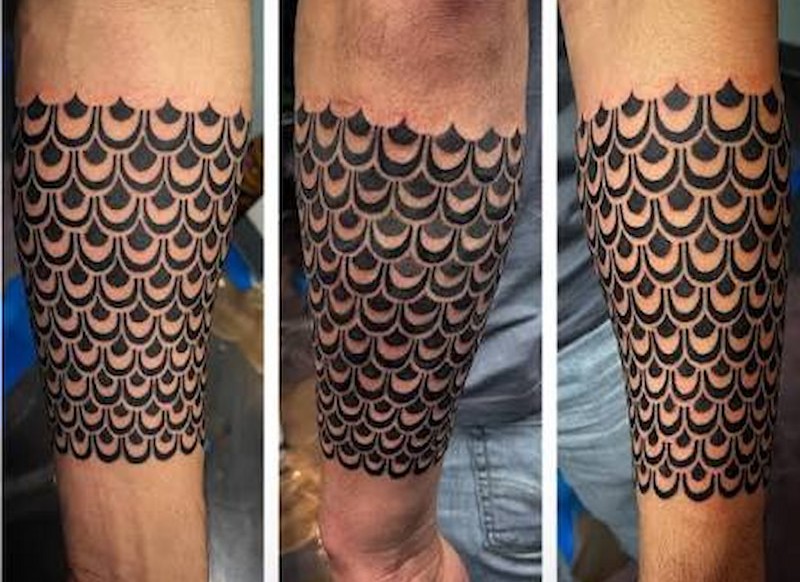
The unaunahi pattern is a series of overlapping curves that mimic the scales of a fish, often seen in coastal Maori tattoo styles. This motif honors the ocean as a primary source of life and nourishment for the people. In a Maori tattoo, the unaunahi pattern represents health, vitality, and the abundance of nature. It creates a rhythmic, shimmering effect that adds a sense of natural energy and movement to the skin markings.

3.8. Ahu ahu mataroa (talent and achievement)
The ahu ahu mataroa pattern is a series of vertical lines used in a Maori tattoo to represent a person’s talents and challenges overcome. This motif is a direct record of an individual’s athletic prowess, intellectual achievements, or leadership skills. In a Maori tattoo, it serves as a ladder of success, showing how the wearer has climbed toward their goals. It is a symbol of ambition and the relentless pursuit of excellence in one’s life journey.

4. How to choose a Maori tattoo design for yourself
Selecting the right design for a Maori tattoo involves a careful process of self-reflection and professional consultation.
4.1. Step 1: Define your personal narrative
A Maori tattoo should never be chosen randomly from a book; it must tell your story. Think about the values most important to you, such as family (koru), protection (manaia), or strength (hei matau). Identifying these core themes is the first step in ensuring your tattoo is authentic to your life.
4.2. Step 2: Understand the cultural protocol
If you do not have Maori heritage, ensure you are requesting a Kirituhi design. This allows you to embrace the beauty of a Maori tattoo without infringing on sacred genealogical markers. A respectful artist will help you navigate these boundaries to ensure your tattoo is a tribute to the culture.
4.3. Step 3: Collaborate with a specialist artist
The geometric precision of a Maori tattoo requires an artist who specializes in Polynesian patterns. Working with the best tattoo artist in Hanoi helps ensure proper flow, symmetry, and cultural respect throughout the design process.. They understand how to flow the lines with the natural contours of your muscles. DNA Tattoo provides cheap tattoos; however, you will receive excellent service whether you are a local or a foreigner.
4.4. Step 4: Determine the placement
In Maori tattoo tradition, different parts of the body have different spiritual meanings. For example, a Maori tattoo on the chest often relates to the heart and inner feelings, while one on the arm represents outward strength. Choose a placement for your tattoo that aligns with the message you wish to convey.
4.5. Step 5: Review the mathematical symmetry
A high-quality Maori tattoo relies on perfect balance and spacing between the lines. Before the ink is applied, carefully check the stencil to ensure the patterns are symmetrical and follow the traditional rules of the art form. This attention to detail ensures your tattoo remains a masterpiece for a lifetime.

Frequently Asked Questions
1. Can I get a Maori tattoo if I am not Maori?
Yes. You can get a respectful style known as Kirituhi. Ta Moko is sacred and meant strictly for indigenous people.
2. How is a Maori tattoo different from other Polynesian styles?
Maori tattoos use flowing spirals and curved designs inspired by nature. Other Polynesian styles feature sharp triangular shapes.
3. What are the most common Maori tattoo symbols?
Popular symbols include the Koru, Hei Tiki, Hei Matau, and Manaia. They represent elements like new beginnings, protection, and strength.
4. What is the meaning of a Maori tattoo on the arm or chest?
Arm tattoos represent physical strength and capability. Chest tattoos act as protective symbols representing courage and inner connection.
5. What is the spiritual significance of these tattoos?
They connect the wearer to the spiritual realm and their ancestors. These tattoos also provide personal power and protection.
6. How do I choose a Maori tattoo design?
Research the symbols and reflect on your personal story. Then consult a skilled artist to create a meaningful design.
7. Are Maori tattoos painful and how long do they take to heal?
Pain levels depend on your personal tolerance and the body placement. Healing typically takes two to four weeks.
8. Where is the best place to get an authentic Maori tattoo?
Look for reputable studios experienced in Polynesian art. DNA Tattoo Hanoi is an excellent choice for authentic designs.
Maori tattoo is a timeless expression of identity that connects the modern individual to an ancient and powerful heritage. By focusing on the specific meanings of motifs like the koru, manaia, and hei tiki, you can create a design that is both visually stunning and deeply personal. Whether you are seeking protection, celebrating growth, or honoring your family, these patterns provide a language that transcends words. Embracing the traditions of the Maori tattoo ensures that your body art will serve as a permanent and respected record of your unique journey through life.
If you have any questions or need more information about our tattoo services at DNA Tattoo Vietnam, feel free to contact us through the following channels:
- Hotline: (+84) 368 000 690
- Email: dnatatstudio@gmail.com
- Website: https://dnatattoovietnam.com/
- Facebook: https://www.facebook.com/dnatatstudio/
- Instagram: https://www.instagram.com/dna.tattoostudio/
- Google Map: https://www.google.com/maps?cid=12105924435380523917