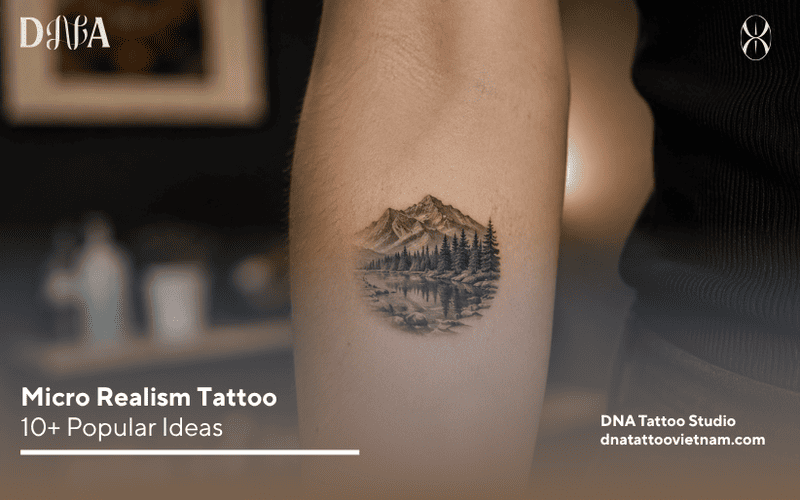
A samurai tattoo reflects Japanese values of honor, courage, and discipline through powerful imagery. DNA Tattoo can help you explore the symbolism, choose the right design, and plan your piece with guidance from the tattoo studio.
1. Samurai tattoo meaning & symbolism
A samurai tattoo is never just an image – it is a declaration of values. To wear one is to align yourself, at least symbolically, with one of history’s most disciplined warrior classes. Understanding what these tattoos mean helps you choose a design that genuinely reflects who you are.
1.1 The Bushido code as the foundation of meaning
The samurai occupies a singular place in Japanese culture. Their guiding philosophy, the Bushido code – literally “the way of the warrior” – transformed these fighters into role models for an entire civilization. Bushido demanded more than battlefield skill. It required discipline, deep respect for others, and ethical behavior in every aspect of life. Japan’s samurai shaped the country through both their military power and their personal conduct, leaving an ethical legacy that outlasted the feudal era by centuries.
A samurai tattoo therefore carries the full weight of that legacy. Core meanings include:
- Honor – living by a personal code, refusing to compromise integrity
- Courage – facing fear without flinching, in battle or in life
- Loyalty – absolute commitment to a person, cause, or principle
- Sacrifice – willingness to give up comfort, or even life, for something greater
- Discipline – mastery achieved through relentless daily practice
These are not abstract virtues. For many people who choose this tattoo, the samurai represents a personal journey – a commitment to self-improvement, resilience in the face of hardship, and the refusal to surrender when circumstances are difficult.
1.2 Deeper symbolic layers
Beyond the core Bushido values, specific elements within a samurai tattoo carry their own symbolism. A katana (the samurai’s signature sword) represents precision, decisiveness, and the cutting away of what is unnecessary. Samurai armor signals protection and readiness. Cherry blossoms – often added alongside a warrior figure – speak to the Japanese concept of mono no aware, the bittersweet beauty of impermanence. Life is short and precious, as fragile as a petal in the wind.
Dragons paired with samurai imagery amplify themes of power and spiritual strength, while tigers suggest raw ferocity balanced by wisdom. When these symbols are layered together thoughtfully, a samurai tattoo becomes a complete philosophical statement rather than a single image.

2. Popular samurai tattoo designs
For centuries, the samurai has captured the fascination of people worldwide. These skilled and honorable warriors from Japanese history are known for their unwavering loyalty, formidable swordsmanship, and a strict code of conduct. Their stories have been immortalized in books, films, and television – making the samurai a beloved figure among tattoo enthusiasts across cultures. With well over 33,000 documented samurai tattoo variations in contemporary tattoo databases, the design options are genuinely vast. Here is a breakdown of the most popular and enduring choices.
2.1 Traditional Japanese (Irezumi) samurai
The Irezumi style is the classical benchmark for samurai tattoos. Characterized by bold outlines, flat areas of saturated color, and highly stylized compositions, Irezumi has defined Japanese tattoo art for hundreds of years. A full samurai warrior rendered in Irezumi – often armored, sometimes mid-battle, surrounded by waves, koi, or blossoms – is one of the most iconic images in the entire tattoo world.
This style rewards scale. The level of detail in a traditional Irezumi samurai piece typically requires significant body real estate to read clearly. Back pieces and full sleeves are natural fits.

2.2 Neo-traditional samurai
Neo-traditional takes the compositional drama of classic Irezumi and updates it with a broader color palette, richer shading gradients, and more illustrative linework. The result is a samurai tattoo that feels rooted in tradition but visually contemporary. This style has become enormously popular because it bridges the gap between tattoo purists who value cultural authenticity and modern collectors who want something that feels fresh.

2.3 Black and grey realism
For clients who want photographic depth and cinematic drama, black and grey realism delivers a samurai tattoo that looks like a still from an epic film. Artists working in this style use fine needles and diluted ink to build up subtle gradations of light and shadow, creating a three-dimensional quality that more graphic styles cannot replicate. A samurai warrior in full armor, rendered in high-detail grey tones with a misty Japanese landscape behind him, can be genuinely breathtaking.

2.4 Fine line samurai
Fine line samurai tattoos strip away visual noise and focus on elegant, minimal linework. These pieces tend to be smaller and more delicate, making them suitable for forearms, wrists, or collar areas. A fine line samurai might feature just the silhouette of a warrior, a minimalist katana, or a simple oni mask – enough to communicate the symbolism without overwhelming the body.

2.5 Samurai with iconic supporting elements
No samurai tattoo exists in isolation. The most memorable pieces incorporate supporting imagery that deepens the overall meaning:
- Katana or crossed swords – precision and readiness
- Oni masks – protection against evil; the duality of strength and vulnerability
- Cherry blossoms – beauty, transience, and acceptance of mortality
- Koi fish – perseverance and transformation
- Dragons – wisdom, spiritual power, and dominance
- Waves – the relentless power of nature; fate that cannot be controlled
Choosing supporting elements wisely transforms a tattoo from a portrait into a full narrative.

3. Best placement & styles for a samurai tattoo
Placement is one of the most consequential decisions in the entire tattoo planning process. It affects visibility, longevity, pain level, and how well the design reads over time.
3.1 Recommended placements
Samurai tattoos are commonly depicted in traditional Japanese tattoo styles featuring bold lines and vibrant colors. Because these pieces tend toward the detailed and compositionally complex, larger body areas are strongly preferred to accommodate the full scope of the design.
| Placement | Best For | Pain Level |
| Full back | Large Irezumi or realism pieces | Moderate |
| Chest | Symmetrical compositions, warriors in stance | Moderate-High |
| Full sleeve | Narrative tattoos with multiple elements | Varies by area |
| Thigh | Detailed pieces with room for background | Low-Moderate |
| Forearm | Fine line or minimalist samurai | Low-Moderate |
| Ribcage | Elongated, vertical compositions | High |
The back is the traditional canvas for large samurai tattoos. A warrior rendered across the full back, from shoulder to lower back, is a project – but the result is genuinely spectacular. The chest suits symmetrical pieces or powerful single-figure compositions. For clients who want visibility without commitment to a full sleeve, the thigh offers surprising space and tends to be more comfortable during the sitting.

3.2 Style and placement pairing
Style choice should follow placement logic:
- Irezumi & Neo-traditional → back, chest, full sleeve (demand space for bold color fields)
- Black and grey realism → back, sleeve, thigh (needs room for gradient work)
- Fine line → forearm, collar, wrist, ankle (works well at smaller scales)
- Neo-traditional → upper arm, shoulder, calf (medium-scale versatility)
Consulting with your artist before finalizing placement is essential. An experienced tattoo artist will understand how the design flows with your body’s natural contours and how it will age over time.

4. Tattoo planning tips
Getting a samurai tattoo right requires more than choosing an image. The decisions you make before walking into the studio will define whether your tattoo ages beautifully or becomes a source of regret. Here is how to plan with confidence.
4.1 Choose the right artist
Samurai tattoos – particularly Irezumi, realism, and neo-traditional pieces – are technically demanding. Not every talented tattoo artist specializes in Japanese work. Before booking, review your artist’s portfolio specifically for:
- Japanese or Asian-influenced tattooing
- Large-scale compositional work
- Clean linework that holds definition over time
- Shading and color saturation relevant to your chosen style
At DNA Tattoo Studio in Hanoi, the artists hold deep expertise in both traditional Japanese styles and contemporary realism, with a portfolio spanning intricate samurai compositions to delicate fine line warrior pieces. The consultation process is thorough – your concept is discussed, refined, and custom-designed before a single needle touches skin.
4.2 Prepare your body and your session
A large samurai tattoo often requires multiple sessions. For your first sitting:
- Sleep well the night before
- Eat a proper meal 1-2 hours before your appointment – low blood sugar makes sessions harder
- Stay hydrated in the days leading up to the session
- Avoid alcohol for at least 48 hours before (it thins the blood and impairs healing)
- Wear comfortable, accessible clothing that exposes the tattoo area easily
4.3 Aftercare – protecting your investment
Aftercare directly determines how well your samurai tattoo heals and how long it remains sharp and vibrant. Follow these steps without exception:
Step 1: Keep it covered initially.
Your artist will apply a protective wrap or bandage after the session. Leave it on for the time they recommend – typically 2 to 4 hours, or longer for modern breathable wraps.
Step 2: Gentle cleaning.
Wash the tattoo gently with fragrance-free soap and lukewarm water twice daily. Pat dry with a clean paper towel – never rub.
Step 3: Moisturize consistently.
Apply a thin layer of unscented tattoo lotion or a recommended healing balm. Avoid petroleum-based products that can clog pores.
Step 4: No sun, no soaking.
Keep the healing tattoo out of direct sunlight. Avoid swimming pools, the sea, and long baths until fully healed – typically 2 to 4 weeks.
Step 5: Do not pick or scratch.
Peeling and mild itching are normal. Picking at peeling skin pulls ink out of the dermis, creating patchy, faded areas that require touch-ups.
Step 6: Long-term sun protection.
Once healed, apply SPF 30+ sunscreen whenever the tattoo is exposed to the sun. UV radiation is the primary cause of tattoo fading over time.
4.4 Common mistakes to avoid
- Rushing the design. A samurai tattoo is permanent. Take the time to refine your concept with your artist before committing.
- Choosing placement based on pain avoidance alone. Pain is temporary. A poorly placed tattoo that doesn’t suit the design lasts a lifetime.
- Going to an artist outside their specialty. Always match artist skill set to the tattoo style you want.
- Skipping the consultation. A proper consultation at a reputable studio like DNA Tattoo ensures the design is custom-fitted to your body and your vision – not copied from a flash sheet.
- Neglecting aftercare. The tattoo is not finished when you leave the studio. The healing period is when the work is truly set.

FAQ
Where is the best place to get a samurai tattoo?
The back, chest, and full sleeve are the most popular placements for samurai tattoos because these areas provide the space needed for detailed compositions. Thighs and upper arms also work well. Smaller, fine line samurai designs suit forearms, wrists, or collar areas.
How painful is a samurai tattoo?
Pain varies by placement. The back and outer arm are relatively tolerable for most people. The ribcage, inner arm, and chest are noticeably more intense. Large pieces require multiple sessions – discuss a session schedule with your artist to manage the experience comfortably.
How long does a samurai tattoo take to heal?
Surface healing takes approximately 2 to 4 weeks. Full dermal healing, where deeper skin layers settle completely, can take 3 to 6 months. Follow your artist’s aftercare instructions carefully throughout both phases to protect the quality of the finished work.
Samurai tattoo art is among the most meaningful and visually powerful traditions in the entire tattoo world – a style rooted in centuries of warrior philosophy and executed in some of the most technically demanding forms tattooing has to offer. Whether you are drawn to the bold drama of Irezumi, the cinematic depth of black and grey realism, or the quiet precision of fine line work, the key to a great result lies in thoughtful planning, the right artist, and diligent aftercare. DNA Tattoo Hanoi combines deep expertise in Japanese tattooing with a personalized, hygienic studio environment – ready to bring your samurai vision to life with the craft it deserves.
If you have any questions or need more information about our tattoo services at DNA Tattoo Vietnam, feel free to contact us through the following channels:
- Hotline: (+84) 368 000 690
- Email: dnatatstudio@gmail.com
- Website: https://dnatattoovietnam.com/
- Facebook: https://www.facebook.com/dnatatstudio/
- Instagram: https://www.instagram.com/dna.tattoostudio/
- Google Map: https://www.google.com/maps?cid=12105924435380523917