A snake tattoo can represent transformation, strength, and mystery across different cultures and styles. DNA Tattoo Shop can help you choose a design that fits your vision and find a best tattoo studio for your next piece.
1. Snake tattoo meanings
Before committing to a design, it’s worth understanding what a snake tattoo actually says. Symbolism shapes how others read your ink – and how it resonates with you over the years. Far from being a single-note image, the snake carries a spectrum of meanings depending on culture, context, and composition.
1.1 Transformation and rebirth
Perhaps the most universally recognized symbolism of snakes is their connection to transformation and rebirth. The reason is biological: snakes shed their skin. This natural process of molting – where the old layer is cast away to reveal something fresh beneath – makes the snake a powerful emblem of personal growth and renewal.
People often get a snake tattoo to mark a significant turning point. Overcoming a painful chapter, closing the door on a toxic relationship, surviving illness, or simply stepping into a new version of themselves – these are all stories a snake tattoo can tell without a single word. The image does the work quietly but unmistakably.
If this meaning resonates with you, consider pairing the snake with a cracked egg, blooming flowers, or a rising sun to amplify the theme of emergence and new beginnings.

1.2 Protection and power
Snakes aren’t always seen as sinister. In many cultures around the world, they’re revered as protectors. Ancient Egyptians worshipped the cobra – the uraeus – as a guardian of royalty and divine order, worn on the crowns of pharaohs as a symbol of sovereign power. In some Native American traditions, snakes are wise protectors of sacred spaces and carriers of earth’s healing energy.
Greek mythology gave us the Rod of Asclepius, a serpent-entwined staff that remains the symbol of medicine to this day. The snake, in this tradition, represents not danger but knowledge, healing, and guardianship.
A snake tattoo in this context becomes a personal talisman – a statement of inner strength, resilience, and the capacity to protect what matters most. Bold, coiled designs suit this meaning well, particularly when placed on the forearm or chest.

2. Popular snake tattoo designs
Discover unique snake tattoo ideas that blend intricate patterns with bold symbolism. The range of design directions available makes the snake one of the most versatile subjects in tattooing – adaptable to nearly any placement, size, or artistic preference.
Some of the most requested snake tattoo designs include:
- Ouroboros (snake eating its tail): One of the oldest symbols in recorded history, representing infinity, cyclicality, and the eternal return. Works beautifully as a circular wrist or upper-arm tattoo.
- Coiled snake: A tight, spiral composition suggesting tension and latent power. Ideal for the upper arm, thigh, or calf, where the muscle gives the design a three-dimensional quality.
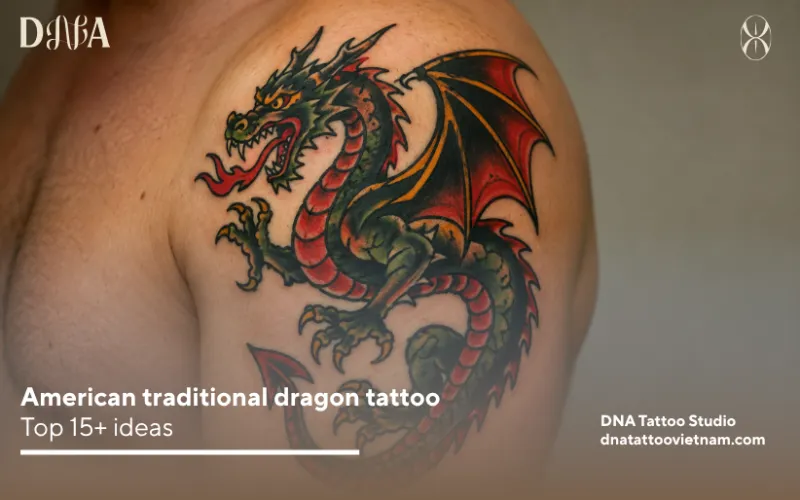
- Snake wrapped around a dagger: A classic combination symbolizing courage, conflict, and the duality of harm and healing. A staple in American traditional tattooing.
- Two snakes intertwined (caduceus-inspired): Represents balance, duality, and the interplay of opposing forces. Works well as a forearm or sternum piece.
- Snake with florals: Pairing a serpent with roses, peonies, or cherry blossoms softens the design while adding layers of meaning – beauty and danger, life and death.
- Geometric snake: Structured, modern, and striking. Suits clients who want something more architectural than organic.
These designs often feature coiled serpents with detailed scales, perfect for arms or backs, evoking mystery and strength. When discussing placement with your artist, consider how the snake’s body can follow the natural contours of your anatomy – a well-placed design enhances both the tattoo and the body it inhabits.


3. Snake tattoo styles
Snake tattoos come in all shapes, sizes, and styles. The choice of style will determine the overall mood of the piece – whether it reads as fierce, elegant, minimalist, or mythological. Here are the most popular approaches.
3.1 Japanese (Irezumi) snake tattoos
In Japanese tattoo culture, snakes are symbols of good luck, fertility, and wisdom. Traditional Japanese snake tattoos – known as hebi – are bold and colorful, often incorporating other classic motifs like cherry blossoms, peonies, koi fish, or waves. The snake is depicted with a fluid, dynamic body and an intense, watchful expression. These compositions typically work best as larger pieces: sleeves, back panels, or thigh wraps. The color palette leans toward deep greens, reds, and blacks with selective gold or yellow highlighting.

3.2 Realistic snake tattoos
Hyper-detailed designs that showcase the scales, fangs, and hypnotic eyes of a snake with photographic precision. Realism requires a highly skilled artist with strong shading technique and command of contrast. The result – when executed well – is genuinely breathtaking. A realistic rattlesnake or green tree python rendered in black and grey can look almost alive on skin. This style suits clients who want impact and technical artistry above all else.

3.3 Fine line snake tattoos
Clean, delicate, and precise. Fine line snake tattoos rely on single-needle or tight grouping techniques to create intricate detail with minimal ink. They’re typically black and grey, and suit minimalist aesthetics. A fine-line serpent coiling up the forearm or wrapping around the ankle has a quiet elegance that larger, bolder styles don’t offer.

3.4 Neo-traditional snake tattoos
A bridge between classic American traditional and contemporary illustration. Neo-traditional snake tattoos retain bold outlines and strong color saturation, but introduce more nuanced shading, varied line weights, and expressive detail. Popular among clients who want visual impact without committing to a purely vintage aesthetic.

3.5 Blackwork and tribal snake tattoos
For those who prefer graphic intensity, blackwork snakes use heavy ink coverage and bold geometric or organic patterns. Tribal-influenced designs draw on Polynesian, Aztec, or Maori traditions and carry cultural weight alongside their striking visual presence.
When choosing a style, consider not just what looks good in a photo – but what suits your skin tone, preferred placement, lifestyle, and how well the style will age over the years.

4. Tattoo aftercare tips
A snake tattoo – regardless of size or style – is only as good as how it heals. Proper aftercare protects your investment, preserves color and detail, and prevents infection. Follow these steps carefully.
Step 1: Follow your artist’s instructions
Every tattoo artist has their own preferred aftercare routine based on their technique, ink choices, and experience. Whether they recommend a second-skin bandage, cling film, or a specific ointment, follow their guidance precisely for the first 24-72 hours. Their instructions take precedence over general advice.
Step 2: Keep it clean
Wash your new tattoo gently with lukewarm water and a mild, fragrance-free soap – twice a day for the first two weeks. Pat it dry with a clean paper towel. Do not rub. Rubbing causes friction that disrupts healing skin and can pull out ink during the early peeling phase.
Step 3: Moisturize regularly
Apply a thin layer of a recommended tattoo ointment or unscented moisturizer to keep the skin hydrated. Over-moisturizing is a common mistake – a light application is enough. Wet, soggy skin does not heal well and can lead to patchy color retention.
Step 4: Avoid sun exposure
UV light is one of the biggest enemies of fresh and healed tattoos. Keep your snake tattoo out of direct sunlight during healing, and once healed, apply SPF 50+ sunscreen before any prolonged sun exposure. This is especially important for color and fine-line work.
Step 5: Don’t pick or scratch
As the tattoo peels – which is completely normal – resist the urge to pick, scratch, or peel the skin yourself. Let the dead skin shed naturally. Picking can cause scarring and remove ink, leaving patchy spots in your finished design.
Step 6: Avoid swimming and soaking
Pools, oceans, and baths introduce bacteria and excessive moisture to healing skin. Avoid submerging your tattoo for at least 2-3 weeks. Showers are fine, but keep them brief over the tattooed area.
Healing typically takes 2-4 weeks on the surface, with deeper dermal layers continuing to settle for up to three months. A follow-up appointment to check the healed result is standard practice at professional studios.

FAQ
What does a snake tattoo symbolize?
A snake tattoo most commonly represents transformation, rebirth, protection, and power. Because snakes shed their skin, they are widely associated with personal reinvention and new beginnings. In various cultures, snakes also symbolize wisdom, healing, and guardianship – giving this design a remarkably versatile range of personal meanings.
Where is the best placement for a snake tattoo?
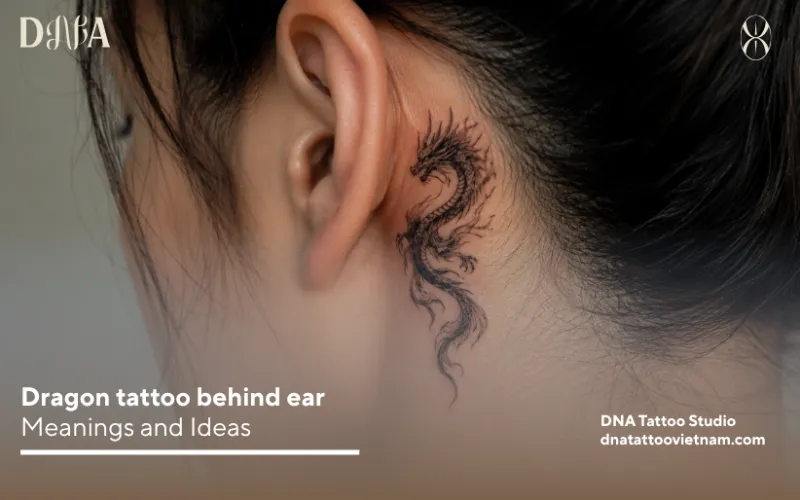
Popular placements include the forearm, upper arm, calf, thigh, and back – all areas where the snake’s elongated body can curve naturally along the muscle. Smaller designs work well on the wrist, ankle, or behind the ear. Discuss placement with your artist, as a skilled tattoo professional will factor in how the design interacts with your specific body shape and movement.
How painful is a snake tattoo?
Pain level depends on placement more than design. Bony areas such as the ribs, spine, elbow ditch, and feet tend to be more sensitive. Fleshy areas like the thigh, upper arm, and calf are generally more comfortable. Large, highly detailed snake tattoos require longer sessions, so physical and mental preparation matters as much as pain tolerance.
How long does a snake tattoo take to heal?
Surface healing typically takes 2-4 weeks with proper aftercare. However, the skin continues to settle beneath the surface for up to three months. Avoid sun exposure, soaking, and abrasive products throughout this period for the best long-term result.
Snake tattoos remain one of the most powerful and enduring choices in body art – rich in symbolism, flexible in style, and stunning when executed by a skilled hand. Whether you’re drawn to the transformation narrative, the protective symbolism, or simply the visual strength of a serpent in motion, this design rewards careful thought and expert craftsmanship. At DNA Tattoo Vietnam in Hanoi, our artists work closely with each client to develop a design that reflects genuine personal meaning – rendered with precision, hygiene, and artistry that meets the highest professional standards.
If you have any questions or need more information about our tattoo services at DNA Tattoo Vietnam, feel free to contact us through the following channels:
- Hotline: (+84) 368 000 690
- Email: dnatatstudio@gmail.com
- Website: https://dnatattoovietnam.com/
- Facebook: https://www.facebook.com/dnatatstudio/
- Instagram: https://www.instagram.com/dna.tattoostudio/
- Google Map: https://www.google.com/maps?cid=12105924435380523917