Tattoo blowout is one of the most common concerns people have after getting a new tattoo. Seeing blurry lines or ink spreading beyond the design can be worrying, but not every tattoo that looks smudged is experiencing a blowout. Learn how to recognize tattoo blowout, what causes it, and how to prevent it with expert tips from DNA Tattoo Studio.

1. What is a tattoo blowout?
A tattoo blowout happens when tattoo ink spreads beneath the skin instead of staying within the intended lines of the design. As a result, the tattoo may look blurry, smudged, or shadowed around the edges. Unlike normal healing, a tattoo blowout is permanent and won’t disappear over time.
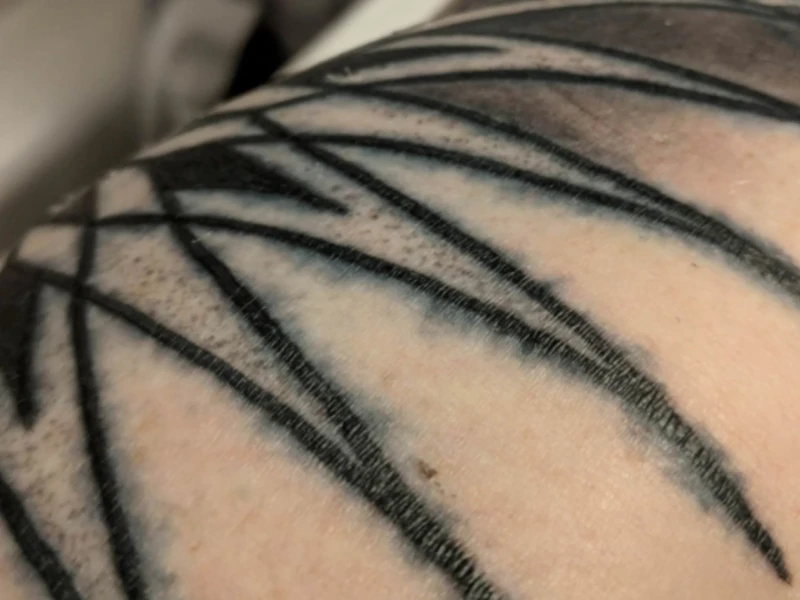
Common signs of a tattoo blowout include:
- Blurry or fuzzy tattoo lines
- A blue or grey shadow around the design
- Ink spreading beyond the original outline
- Fine lines or lettering appearing thicker than intended
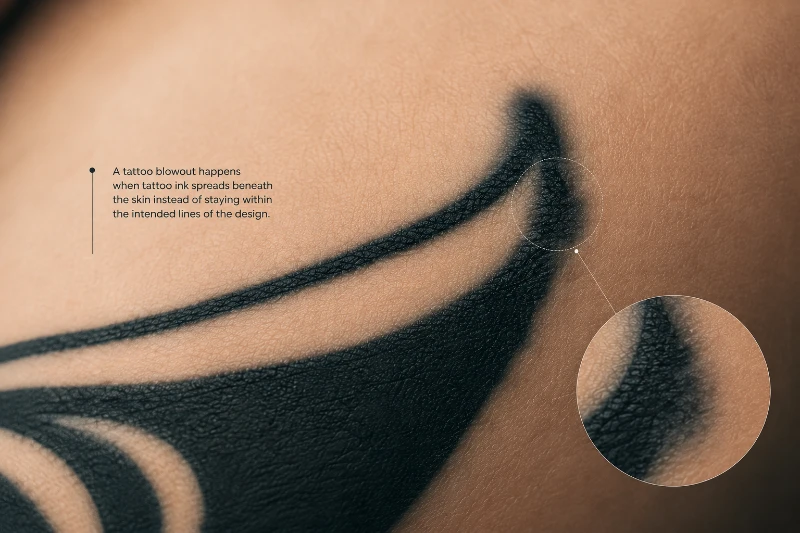
A fresh tattoo can look blurry during the first few days because of swelling or excess ink. If the blurred edges remain after the tattoo has fully healed, it may be a tattoo blowout.
2. Tattoo blowout vs. normal healing: How can you tell the difference?
It’s easy to mistake a tattoo blowout for normal healing, especially during the first few days. A fresh tattoo often looks blurry because of swelling, excess ink, or plasma. As the skin heals, these symptoms gradually disappear. A tattoo blowout, however, remains visible even after the tattoo has fully healed.
| Normal healing | Tattoo blowout |
| Temporary swelling and redness | Blurry or shadow-like ink under the skin |
| Excess ink or plasma on the skin’s surface | Ink spreads beyond the original lines |
| Improves as the tattoo heals | Remains after healing is complete |
| Surface appearance changes daily | Permanent change beneath the skin |
| Sharp lines return after healing | Lines stay fuzzy or appear thicker |
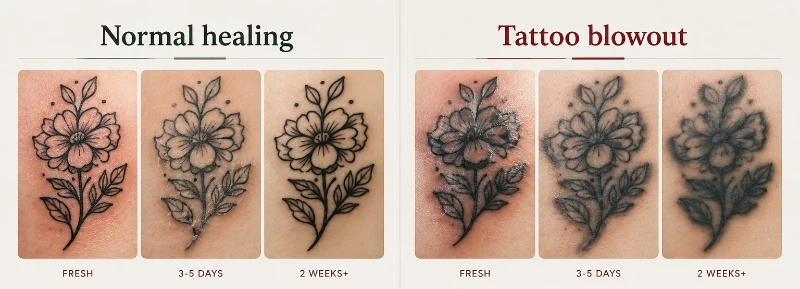
If you’re unsure whether your tattoo is healing normally or experiencing a blowout, give it time. Most artists recommend waiting until the tattoo is fully healed before judging the final result or considering any corrective treatment.
3. What causes tattoo blowout?
Tattoo blowout usually happens during the tattooing process when the ink is deposited too deeply or spreads beyond the intended area. While certain skin types and body placements can increase the risk, proper technique from an experienced artist is the most important factor.
3.1 Professional mistakes
Most tattoo blowouts are linked to technique rather than aftercare. Common causes include:
- Needle depth that’s too deep, allowing ink to spread into the fatty tissue beneath the dermis.
- Incorrect needle angle, making it harder to keep clean, sharp lines.
- Applying too much pressure, especially on delicate areas.
- Overworking the same section of skin, causing excess trauma and making the ink more likely to spread.
3.2 Skin and placement factors
Some parts of the body are naturally more prone to tattoo blowout because the skin is thinner, stretchier, or closer to bone. Higher-risk areas include:
- Fingers and hands
- Wrists
- Ankles and feet
- Ribs
- Inner elbows
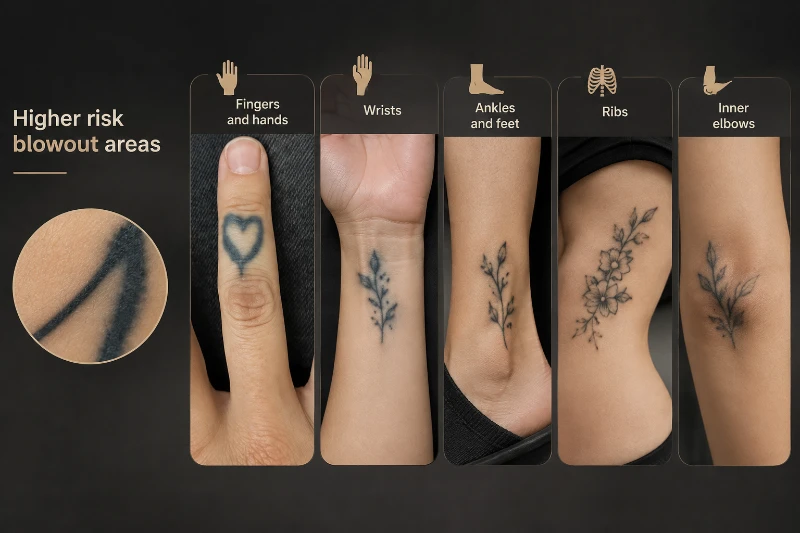
Fine line tattoos and small lettering are also more susceptible, as even slight ink spread can affect the overall design. While these factors increase the risk, a skilled tattoo artist can often reduce the chance of blowout by adjusting their technique for each placement.
4. Can a tattoo blowout be fixed?
Unfortunately, a tattoo blowout won’t go away on its own. Once the ink has spread beneath the skin, it can’t be reversed with aftercare or healing. However, depending on the severity of the blowout, there are several ways to improve its appearance.
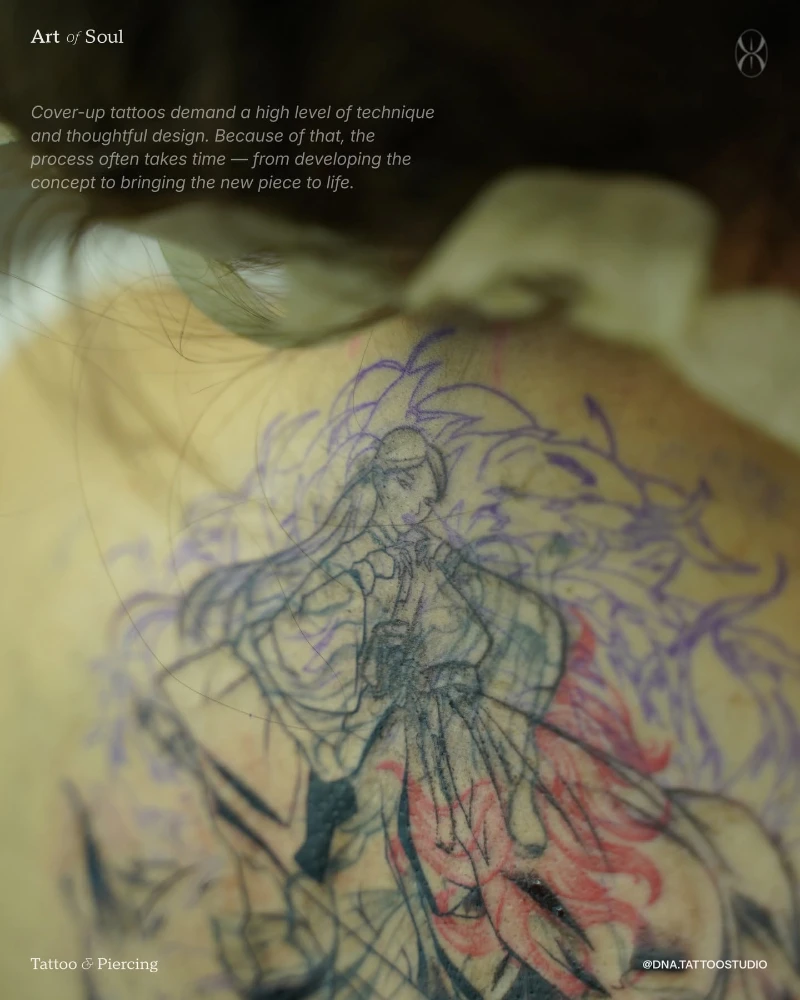
Tattoo touch-up or cover-up
A mild tattoo blowout can sometimes be disguised by refining the linework, adding shading, or creating a larger cover-up design. This option works best once the tattoo has fully healed and should always be performed by an experienced artist.
Laser tattoo removal
For more noticeable blowouts, laser treatment can fade or remove the unwanted ink without affecting the entire tattoo. Some people choose partial laser removal before getting a touch-up or cover-up, while others remove the tattoo completely.
Before deciding on any correction, wait until your tattoo has fully healed and ask a professional tattoo artist to assess the result. The best solution depends on the size, placement, and severity of the blowout.
5. How to prevent tattoo blowout?
While no tattoo is completely risk-free, choosing the right artist and following proper aftercare can significantly reduce the chance of tattoo blowout.
Choose the right tattoo artist
The best way to reduce the risk of tattoo blowout is to choose an experienced tattoo artist. Proper needle depth, hand pressure, and skin awareness all come with years of practice, especially when working on delicate areas or fine line designs.
At DNA Tattoo Studio, every tattoo starts with a personalized consultation to ensure the design, placement, and style suit your skin and vision. Our lead artists bring over 10 years of professional tattooing, with experience in a wide range of styles, including Vietnamese Inspiration, Realism, Fine Line, Traditional, Large Scale Color, and Cover-up tattoos, helping each client achieve clean, long-lasting results.

Choose the right placement
Some areas, such as the fingers, wrists, feet, and ribs, are naturally more prone to blowout because the skin is thinner or more flexible. If you’re getting a fine line tattoo or small lettering, your artist may recommend a different placement or slightly larger design for better long-term results.
Follow proper aftercare
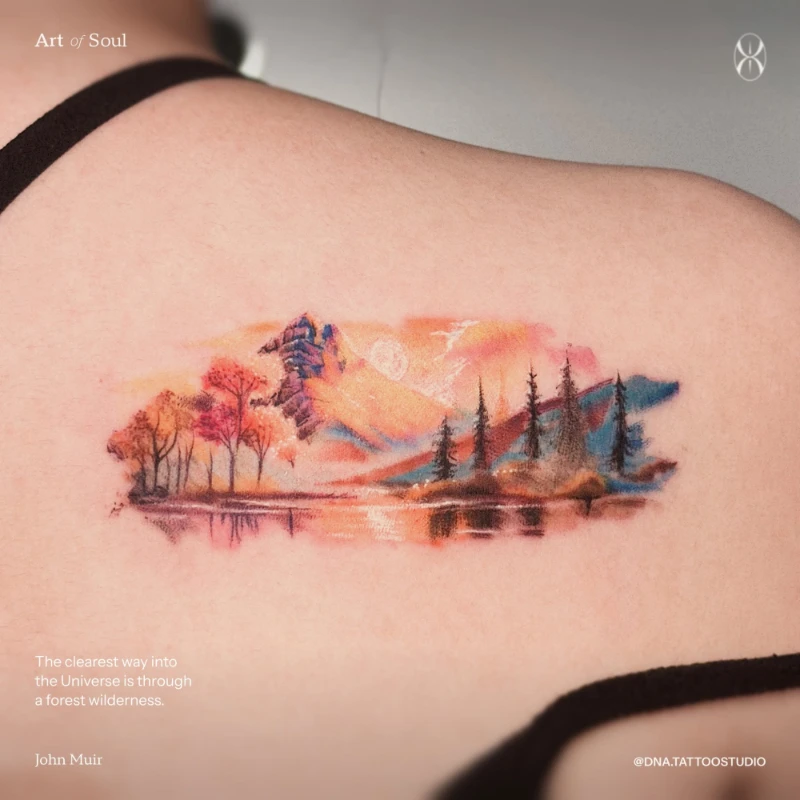
Aftercare won’t reverse a tattoo blowout, but it helps your tattoo heal as intended and reduces unnecessary irritation. Keep the tattoo clean, moisturized, avoid scratching or stretching the skin, and follow your artist’s aftercare instructions carefully.
Choosing a reputable studio from the beginning is the best investment. With experienced artists, unlimited design revisions before your appointment, and a commitment to custom tattooing, DNA Tattoo Studio helps both local and international clients enjoy a safe tattoo experience and artwork that stays sharp for years to come.

6. Frequently asked questions about tattoo blowout
Can a tattoo blowout heal on its own?
No. A tattoo blowout is permanent because the ink has spread beneath the skin. However, it’s best to wait until your tattoo is fully healed before deciding whether it needs correction.
How long does it take to know if a tattoo has blown out?
A fresh tattoo can look blurry because of swelling and excess ink. In most cases, you’ll be able to judge the final result once the tattoo has fully healed, usually within 2–4 weeks.
Can a tattoo artist fix a blowout?
Sometimes. Mild blowouts can often be improved with a touch-up, shading, or a cover-up tattoo. More severe cases may require laser treatment before correction.
Which body parts are most likely to get a tattoo blowout?
Blowouts are more common on areas with thin or flexible skin, such as the fingers, hands, wrists, feet, ankles, ribs, and inner elbows.
Does aftercare cause tattoo blowout?
Not usually. Tattoo blowout is most often caused during the tattooing process. Proper aftercare won’t fix a blowout, but it helps your tattoo heal correctly and reduces irritation.
How can I avoid tattoo blowout?
The best prevention is choosing an experienced tattoo artist, selecting an appropriate placement, and following the recommended aftercare instructions throughout the healing process.
Protect your next tattoo by choosing the right artist
A tattoo blowout can’t always be corrected, but it can often be prevented with the right preparation and professional technique. Taking the time to choose a reputable studio is one of the most important decisions you can make before getting tattooed.
At DNA Tattoo Studio, every tattoo begins with a personalized consultation. Our artists help you choose the right design, placement, and size based on your skin, body anatomy, and tattoo style to reduce the risk of issues like blowout while ensuring the best long-term results.
Your safety is just as important as the artwork itself. We maintain strict hygiene standards with single-use needles, sterilized equipment, and a clean, professional environment, giving you peace of mind throughout your tattoo experience.
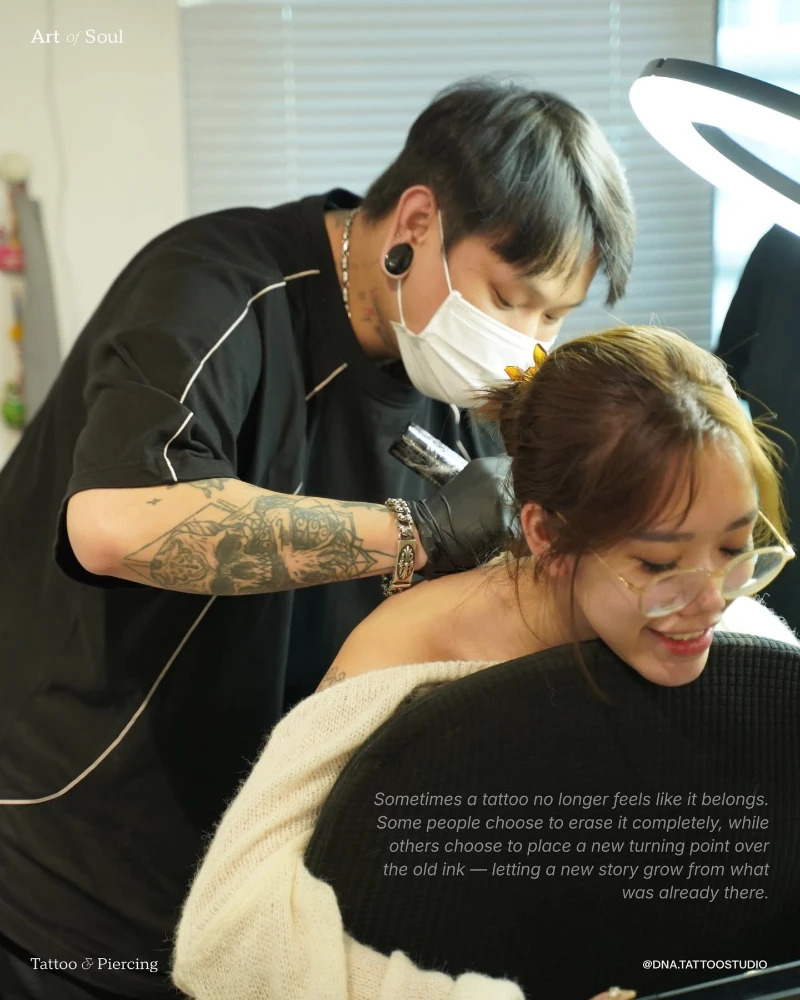
Before your appointment, you’ll also receive unlimited design revisions, so every detail can be refined until you’re completely satisfied. Whether you’re visiting Hanoi for a few days or planning your next tattoo journey, DNA Tattoo Studio is committed to creating artwork you’ll be proud to wear for years to come.
Meet up with DNA Tattoo Studio
Contact DNA Tattoo Studio:
- Address: 41 Luong Su C, Dong Da, Hanoi (near Temple of Literature)
- Hotline / WhatsApp / Zalo: (+84) 368 000 690
- Website: dnatattoovietnam.com
- Facebook: facebook.com/dnatatstudio
- Instagram: instagram.com/dna.tattoostudio