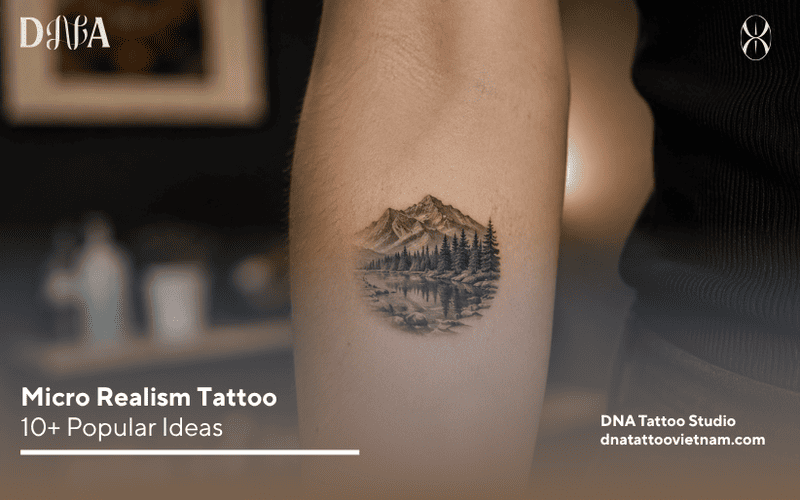
Tattoo pain is a common concern, especially for first-time clients. At DNA Tattoo Studio, choosing the right placement and design can help create a more comfortable tattoo experience. This guide explains how pain levels vary across different body areas and introduces 10 of the least painful places to get your next tattoo. 
1. What is a tattoo pain chart?
A tattoo pain chart is a visual guide that shows which parts of the body are generally more or less painful to tattoo. While everyone’s pain tolerance is different, most people experience similar pain patterns because certain areas have thinner skin, more nerve endings, or less muscle and fat to cushion the needle.
Tattoo pain mainly depends on three factors:
- Bone proximity: Areas closer to bone usually hurt more.
- Skin thickness: Thinner skin is generally more sensitive.
- Nerve endings: More nerves mean stronger pain sensations.

Low pain areas (least painful)
These areas have more muscle or fat, making them easier to tattoo.
- Outer upper arm & shoulder: Thick muscle and skin help reduce pain.
- Outer thigh: A well-cushioned area that’s comfortable for most people.
- Calves: Plenty of muscle makes pain relatively mild.
Moderate pain areas
These spots are manageable but become more sensitive near bone.
- Forearm: Generally comfortable, except closer to the wrist.
- Upper back: Mild across the muscles, sharper near the shoulder blades.
- Chest: Moderate overall, with the sternum feeling more intense.
High pain areas (most painful)
Thin skin, exposed bone, and dense nerve endings make these areas the most painful.
- Ribs & sternum: Very little cushioning over bone.
- Spine & neck: Close to bone with many nerve endings.
- Head, face, hands & feet: Thin skin and high nerve density.
- Armpits & groin: Extremely sensitive due to concentrated nerve endings.

2. Top least painful tattoo placements for your next ink
Choosing a less painful tattoo placement can make the experience more comfortable, especially for first-time clients. The following areas are generally considered easier to tolerate due to thicker skin, more cushioning, and fewer sensitive nerve endings.
2.1 Outer upper arm
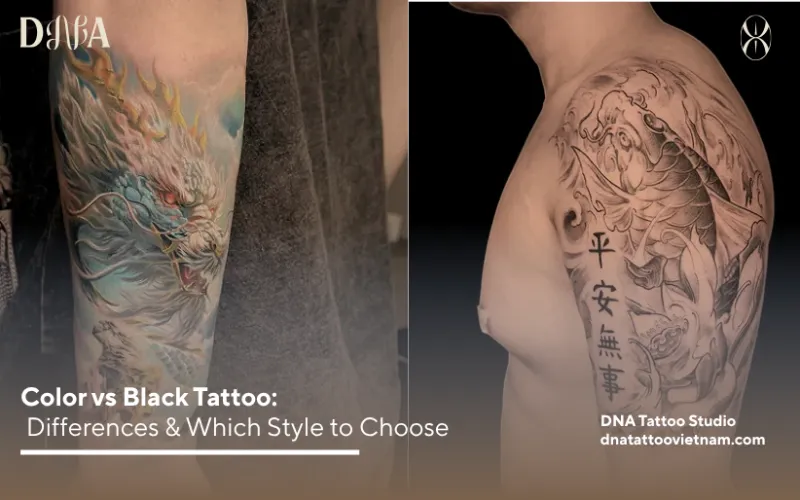
The outer upper arm is one of the least painful tattoo placements due to its thick skin, muscle coverage, and fewer nerve endings. It is a beginner-friendly area suitable for various designs, including minimalist tattoos, portraits, and larger compositions.

2.2 Outer forearm
The outer forearm is a low to moderate pain tattoo placement with thick skin and a stable surface for precise work. It is suitable for small to medium designs, including lettering, geometric patterns, and botanical tattoos.

2.3 Outer shoulder
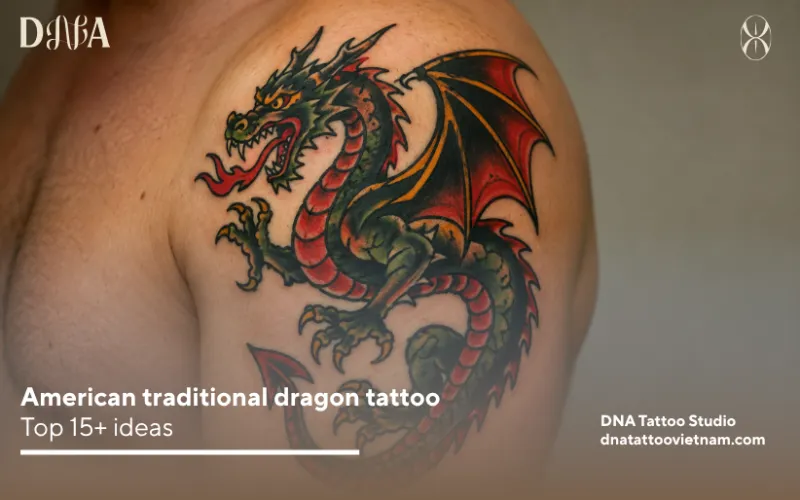
The outer shoulder has thick skin and solid muscle coverage, helping to make the tattooing process more manageable for most people. Pain is usually low to moderate when the design remains on the rounded outer area and away from the collarbone or shoulder joint. Its curved shape naturally complements circular and flowing compositions. Mandalas, floral pieces, animal designs, and extensions into a sleeve are popular choices for this placement.

2.4 Upper back
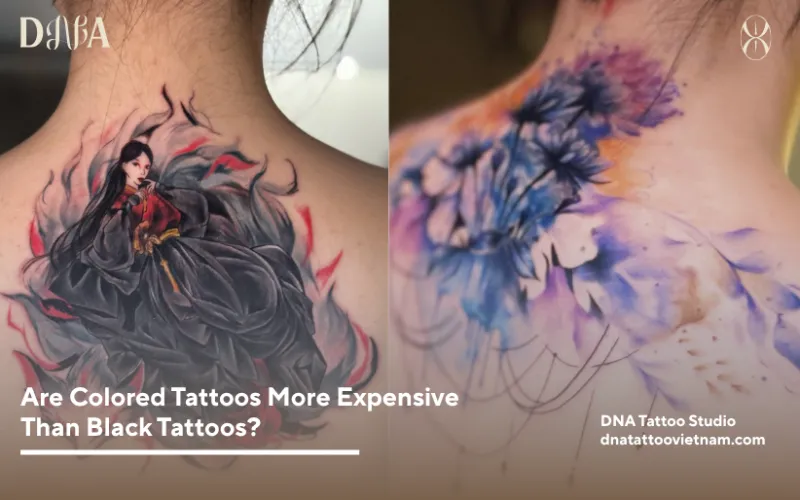
The upper back offers a broad, stable canvas with enough muscle and tissue to reduce the intensity of the tattoo needle. Most areas are relatively comfortable, although sensitivity may increase closer to the spine, shoulder blades, or base of the neck. This placement gives the artist plenty of room to create balanced and detailed artwork. It is particularly suitable for symmetrical designs, wide compositions, wings, animals, and ornamental tattoos.

2.5 Outer thigh
The outer thigh contains a generous amount of muscle and fat, making it one of the most comfortable locations for medium or large tattoos. The natural cushioning helps reduce sharp pain, even during longer sessions with detailed shading or color work. It also provides a spacious surface that can accommodate complex compositions without appearing crowded. Portraits, floral arrangements, animals, and Japanese-inspired designs often work well in this area.

2.6 Front thigh
The front thigh is another low-pain tattoo placement because it has thick skin, strong muscles, and sufficient natural padding. Its broad and relatively flat surface gives the artist excellent control when creating detailed lines, shading, and color transitions. This location is well suited to larger standalone pieces that require visual impact. Popular options include portraits, ornamental artwork, mythological figures, animals, and illustrative tattoos.

2.7 Calf
The calf is a muscular area that generally tolerates tattooing well, especially on the fleshy outer and back sections. Most people experience mild to moderate discomfort, although the sensation may become sharper near the shin bone, ankle, or back of the knee. Its elongated shape is ideal for designs that follow the natural line of the lower leg. Floral patterns, animals, lettering, and vertical illustrative pieces are common choices.

2.8 Buttocks
The buttocks have thick skin and substantial fat padding, making them one of the least painful tattoo areas for many people. The soft tissue creates a strong buffer between the tattoo needle and the underlying bone. However, maintaining the same position during a long session may cause more discomfort than the tattooing itself. This private and spacious placement is suitable for playful designs, larger artwork, or tattoos that are easy to conceal.

2.9 Stomach
The stomach can be a relatively comfortable tattoo placement because it often has enough soft tissue to cushion the needle. However, pain levels vary significantly depending on body composition, skin tension, breathing movement, and the design’s proximity to the ribs or hip bones. The flexible surface may also make precise tattooing more challenging. It works well for decorative, symmetrical, floral, script, and large central designs.

2.10 Lower back
The lower back is generally manageable when the tattoo is positioned over areas with sufficient muscle and soft tissue. Its wide surface provides enough space for horizontal, symmetrical, or highly detailed compositions. Pain may become more noticeable when the artist works directly over the spine, hip bones, or areas close to the waistline. Ornamental designs, floral patterns, lettering, and extended back pieces are commonly placed here.

3. How to choose the right low-pain tattoo placement
Pain level is important, but it should not be the only factor when selecting a tattoo location. The ideal placement should also complement the design, suit your body structure, and remain visually balanced as you move.
3.1 Consider the size of your design
Small tattoos can fit comfortably on the forearm, shoulder, calf, or upper arm. These areas provide enough space for simple symbols, short quotes, minimalist artwork, and small decorative pieces.
Larger tattoos usually require broader areas such as the thigh, upper back, lower back, or buttocks. Choosing a spacious placement allows the artist to maintain proper proportions and include more detail without making the design feel crowded.

3.2 Match the design with your body shape
A well-placed tattoo should follow the natural lines and movement of the body. For example, curved designs can wrap naturally around the shoulder, upper arm, thigh, or calf, while symmetrical artwork may look more balanced on the back or stomach.
The direction of the design is also important. Long vertical compositions often suit the forearm, calf, or thigh, whereas wide designs may work better across the upper back or lower back.
4. Making your tattoo experience more comfortable
Choosing one of the least painful tattoo placements is a great start, but your overall experience depends on more than where you get tattooed. The artist’s technique, clear communication, and proper aftercare all play an important role in helping you stay comfortable before, during, and after your appointment.
At DNA Tattoo, we focus on creating a relaxed and personalized experience for every client, whether you’re getting your first tattoo or adding to an existing collection.
- Personalized placement and design consultation: We help you choose a placement that suits your design, body shape, pain tolerance, and daily lifestyle, not just what’s least painful.
- Experienced artists: Our artists work with precision and care, using techniques that help minimize unnecessary discomfort while delivering clean, high-quality results.
- Clear communication throughout the process: Every step is explained before your session begins, so you know what to expect and can feel confident throughout the appointment. English-speaking staff are available to support international clients.
- Personalized aftercare support: Healing is different for every tattoo. We provide tailored aftercare guidance based on your tattoo style, placement, and skin condition, with dedicated follow-up support if you have questions during recovery.
- Convenient location in Hanoi: Located near the Temple of Literature, DNA Tattoo is easy to reach for both local clients and travelers looking for a trusted tattoo studio.

If you’re unsure where to place your next tattoo, our team can help you find the right balance between comfort, aesthetics, and long-term results. Visit DNA Tattoo:
- Address: 41 Luong Su C, Dong Da, Hanoi (near Temple of Literature)
- Hotline / WhatsApp / Zalo: (+84) 368 000 690
- Website: dnatattoovietnam.com
- Facebook: facebook.com/dnatatstudio
- Instagram:instagram.com/dna.tattoostudio
Book your appointment today: https://dnatattoovietnam.com/booking/