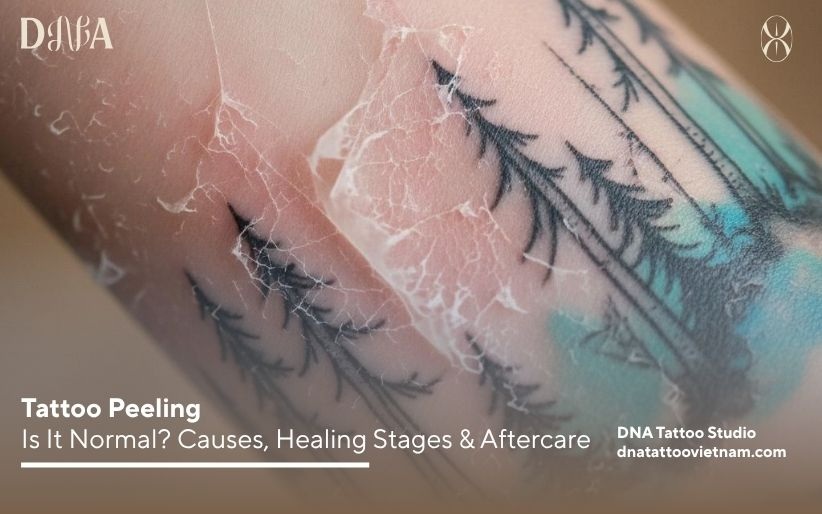
Tattoo peeling is usually a normal part of the healing process. As the skin repairs itself, the tattooed area may become dry, itchy and flaky before gradually settling. At DNA Tattoo Studio, we provide personalized aftercare guidance so clients know what to expect and when to seek additional help.
1. Why is my tattoo peeling?
Tattooing involves repeatedly inserting needles into the skin to deposit ink. This creates a controlled injury that triggers the body’s natural healing response. As the treated area recovers, the outer layer of skin can become dry and shed. Understanding why peeling happens can make the healing process less concerning.
1.1 The skin is healing after tattooing
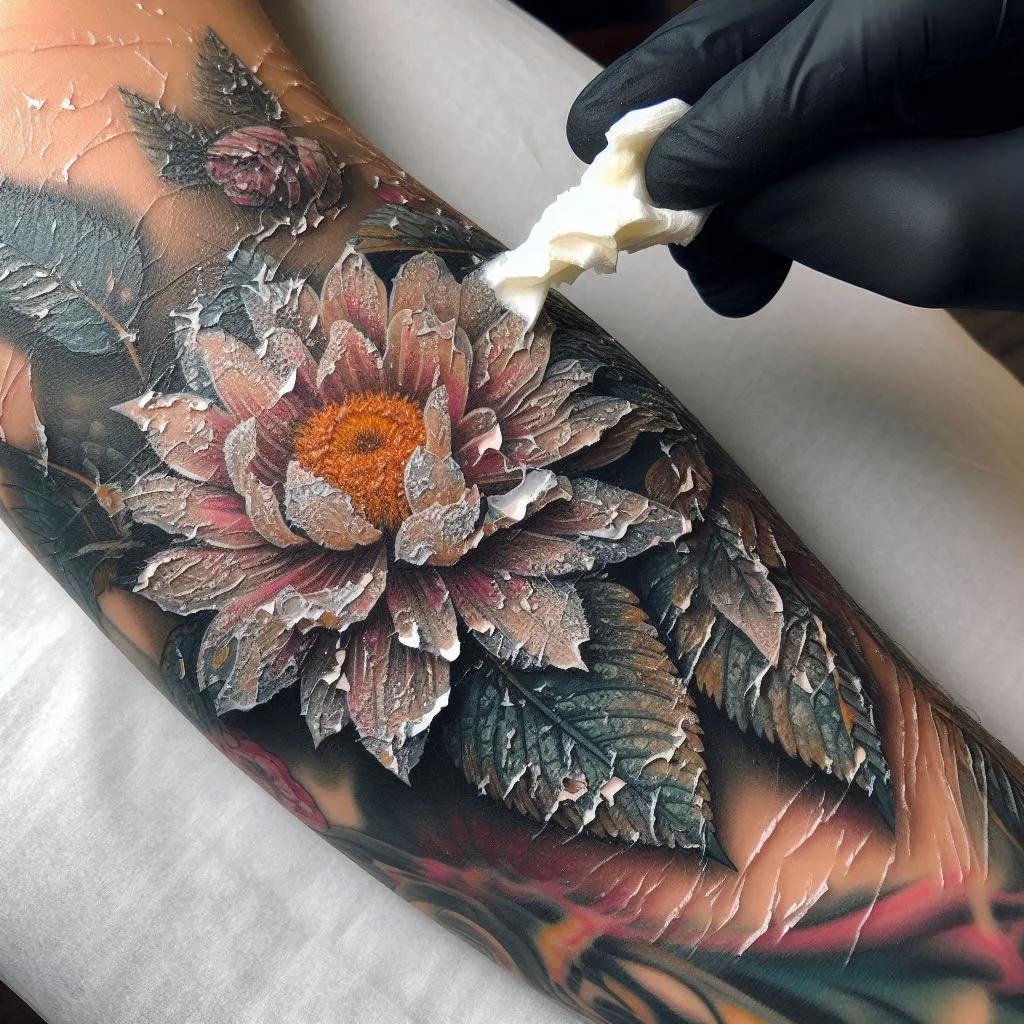
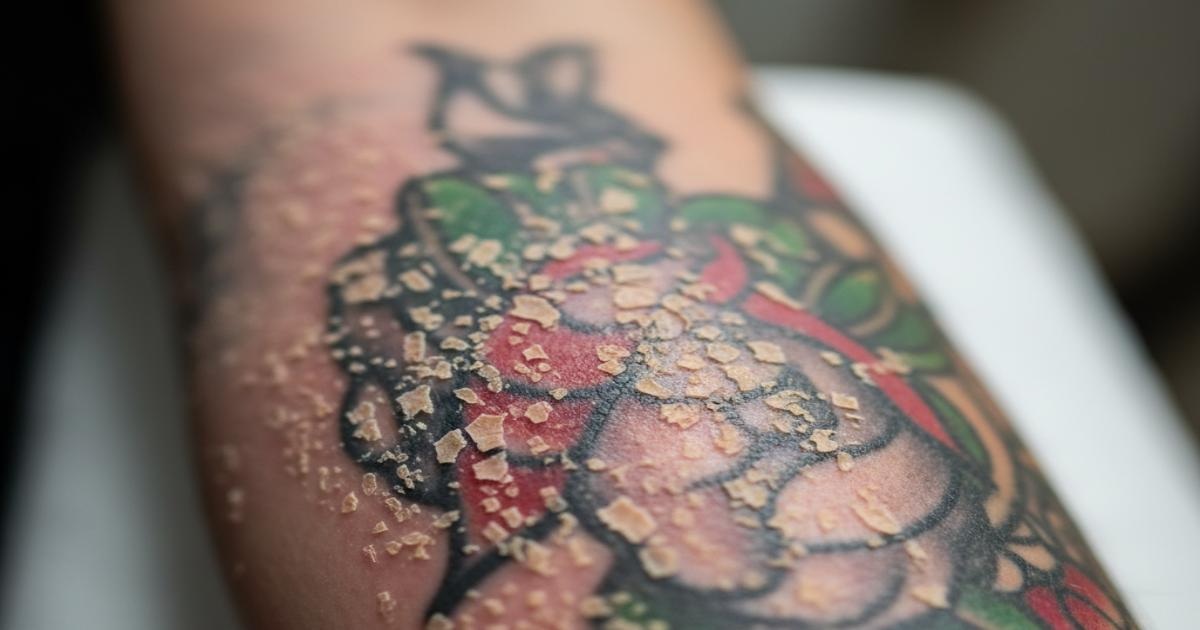
During tattooing, needles create numerous tiny punctures in the skin. Your body responds by repairing the treated area and replacing damaged surface cells. This natural process is one reason tattoo healing skin peeling can occur. Small flakes may gradually come away from the surface as new skin develops underneath.
1.2 The tattooed area becomes dry
Freshly tattooed skin can feel tight or dry as it heals. When the outer skin loses moisture, it may begin to flake. A flaky tattoo may look rough or uneven temporarily, but this does not automatically mean that something is wrong with the tattoo. Avoid trying to remove the flakes yourself.
1.3 The body is responding to skin trauma
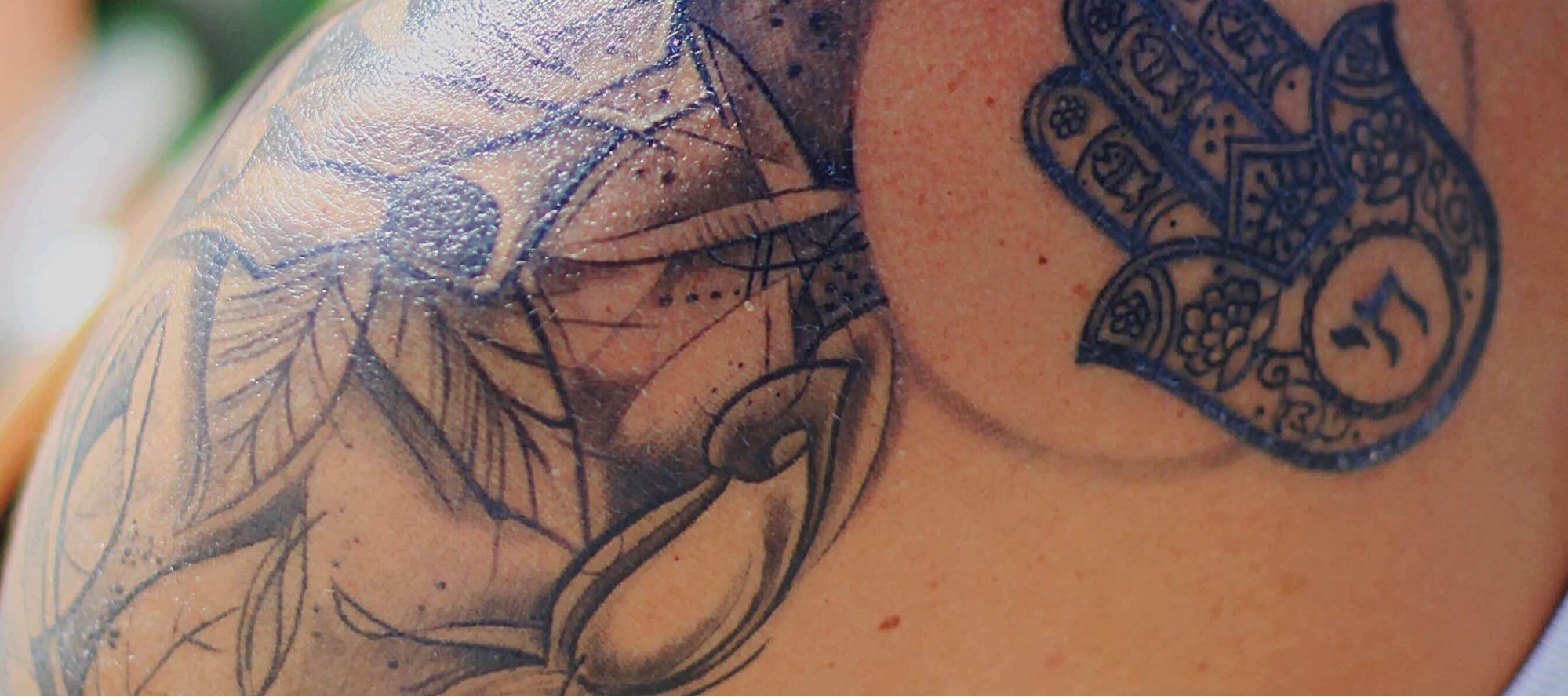
Tattooing creates thousands of tiny punctures in the skin, triggering the body’s natural inflammatory and repair responses. Mild tenderness, dryness, itching and flaking may occur during this process, but these symptoms should gradually improve rather than become more severe.
Read more: Tattoo Scabbing: Is It Normal? What to Do Before and After
2. How long does tattoo peeling last? When does a tattoo start peeling?
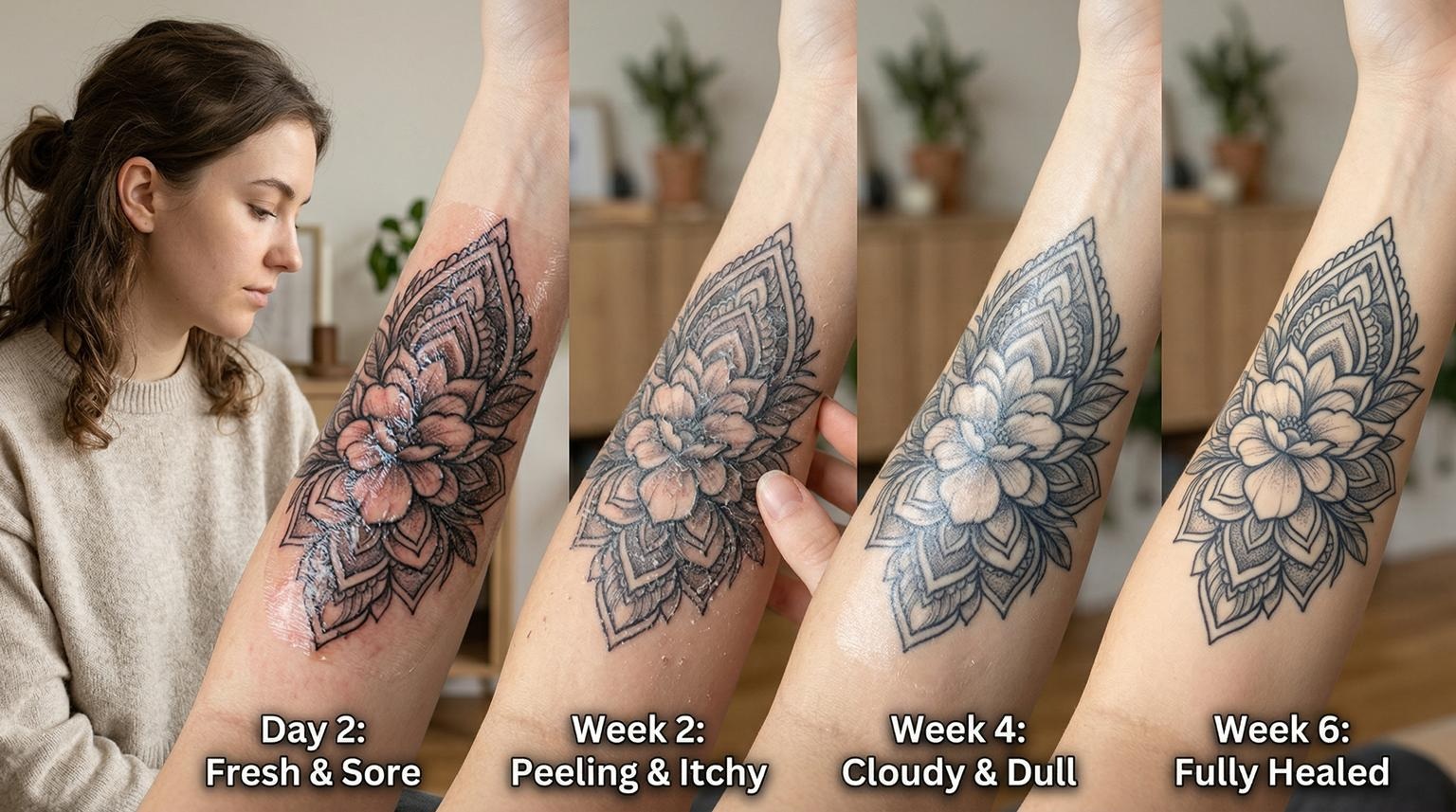
Peeling often begins within the first week and gradually becomes less noticeable over the following one to two weeks. However, the exact timeline can vary depending on the tattoo’s size, placement, ink saturation, individual skin response and aftercare method.
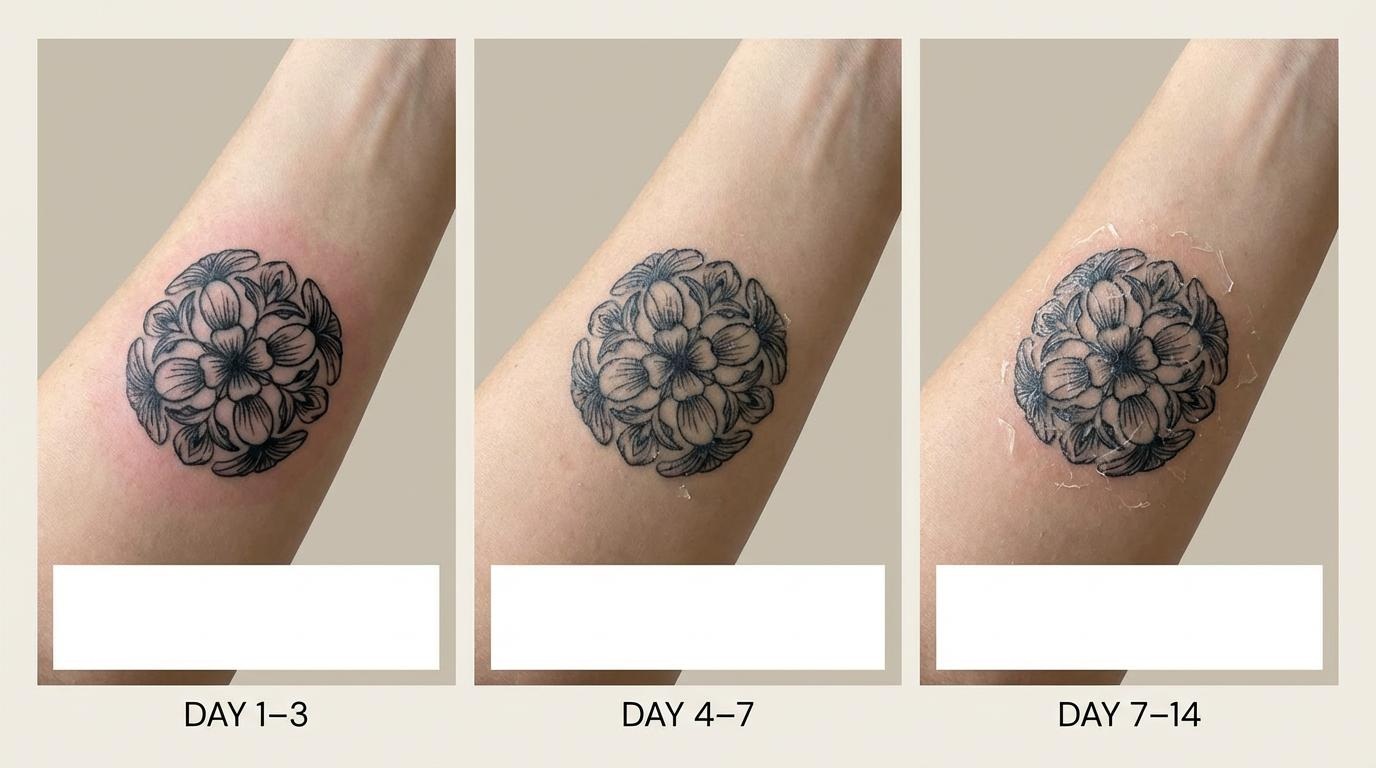
2.1 Days 1–3: Fresh tattoo
During the first few days, the tattoo may appear red, tender, swollen, or slightly shiny. Some people may notice mild fluid or sensitivity around the tattooed area. If you are specifically searching for tattoo peeling after 3 days, light dryness or the beginning of flaking can occur around this point, although not everyone starts peeling at exactly the same time.
2.2 Days 4–7: Dryness and peeling may begin
The skin may start feeling tighter, drier, or itchier. Small flakes can appear as the surface begins to shed. This is often when people notice that their normal peeling tattoo looks different from the fresh tattoo they initially received. The design may temporarily appear dull or slightly cloudy.
Read more: How to recognize and prevent a tattoo infection
2.3 Weeks 2–3: Peeling gradually decreases
Flaking generally becomes less noticeable as the surface skin continues to recover. The tattoo may still appear somewhat dull during this period. Avoid judging the final appearance too early because the skin is still healing.
2.4 Weeks 3–4+: Deeper healing continues
Visible peeling may have stopped, but the skin can continue settling beneath the surface. The tattoo may gradually regain a clearer and more settled appearance. The healing speed depends on factors such as tattoo size, placement, ink saturation, individual skin characteristics, and aftercare.
3. Is tattoo peeling normal or a sign of a problem?
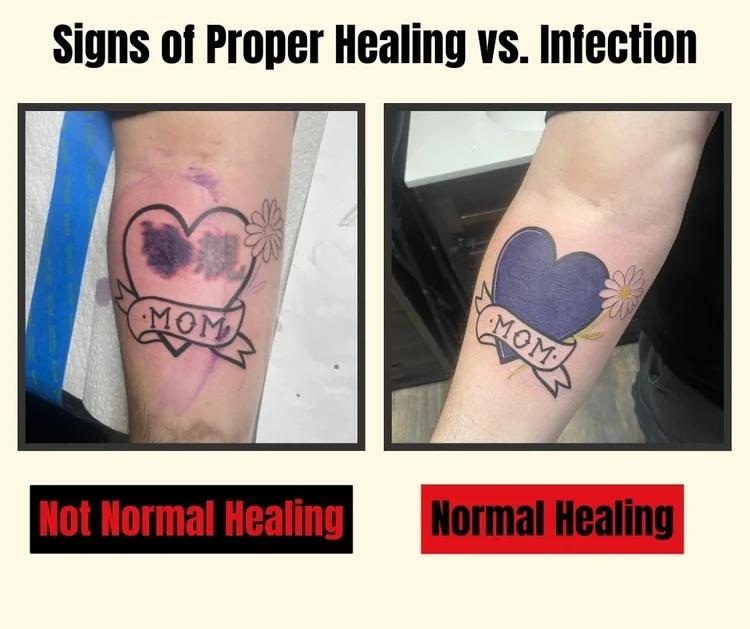
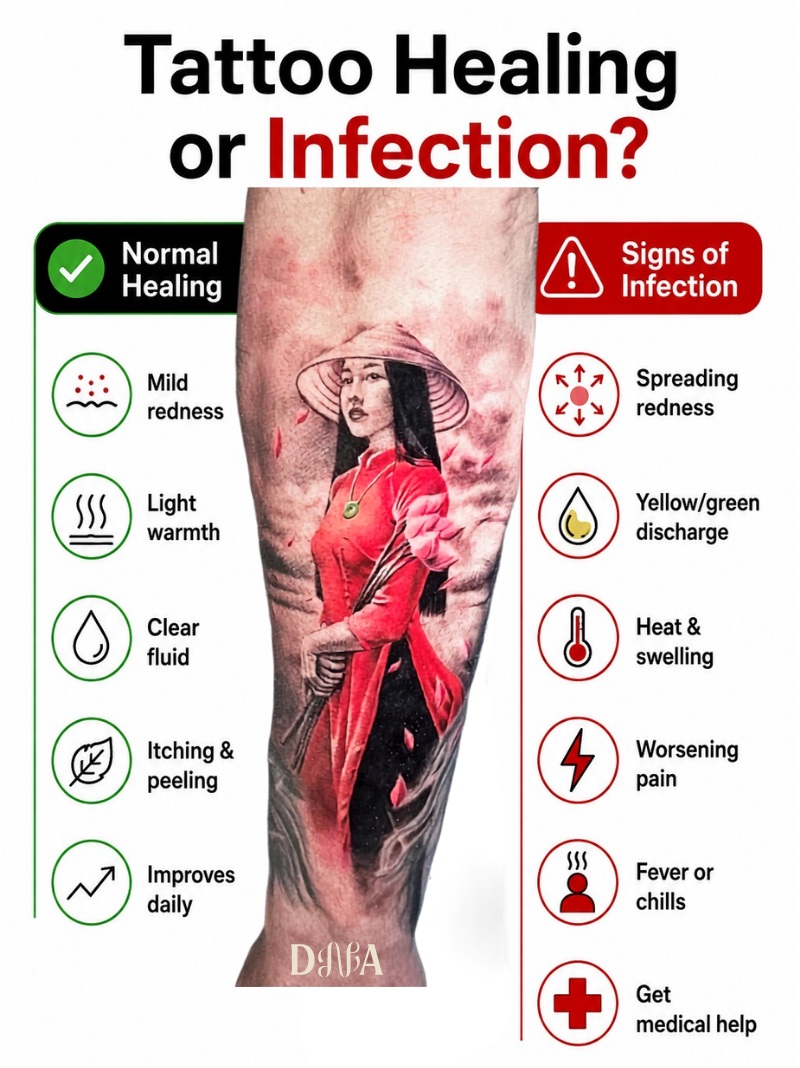
In most cases, light peeling is a normal part of healing. The important thing is to look at the overall condition of the tattoo and whether symptoms are improving.
| Normal tattoo peeling | Possible problem |
| Mild dryness | Increasing redness |
| Light flaking | Severe swelling |
| Mild itching | Significant or worsening pain |
| Slight tenderness | Thick yellow or green discharge |
| Peeling gradually improves | Foul odor |
| Skin gradually looks better | Fever or feeling unwell |
Signs your tattoo may be infected
A healing tattoo should generally show gradual improvement. Contact a healthcare professional if you experience symptoms such as increasing redness, significant swelling or heat, severe or worsening pain, pus or unusual discharge, red streaks spreading from the tattoo, or fever.
Do not attempt to treat a suspected infection by picking at the tattoo or applying unapproved products. Medical assessment is more appropriate when infection is a concern.
4. How to take care of a peeling tattoo?
Proper post-tattoo care during the peeling stage is essential because the tattooed skin is still repairing its protective barrier. The goal is not to stop peeling, but to keep the area clean, maintain appropriate moisture, minimize irritation, and allow the skin to shed naturally. Always follow the aftercare protocol provided by your tattoo artist, as recommendations may vary depending on the tattoo, placement, and healing method.
4.1 Keep the tattoo clean
Wash the tattoo gently with clean hands, lukewarm water and a mild, fragrance-free cleanser. Avoid soaking, rubbing or scrubbing the peeling skin. Pat it dry with a clean, soft towel or allow it to air-dry.
4.2 Moisturize the tattoo properly
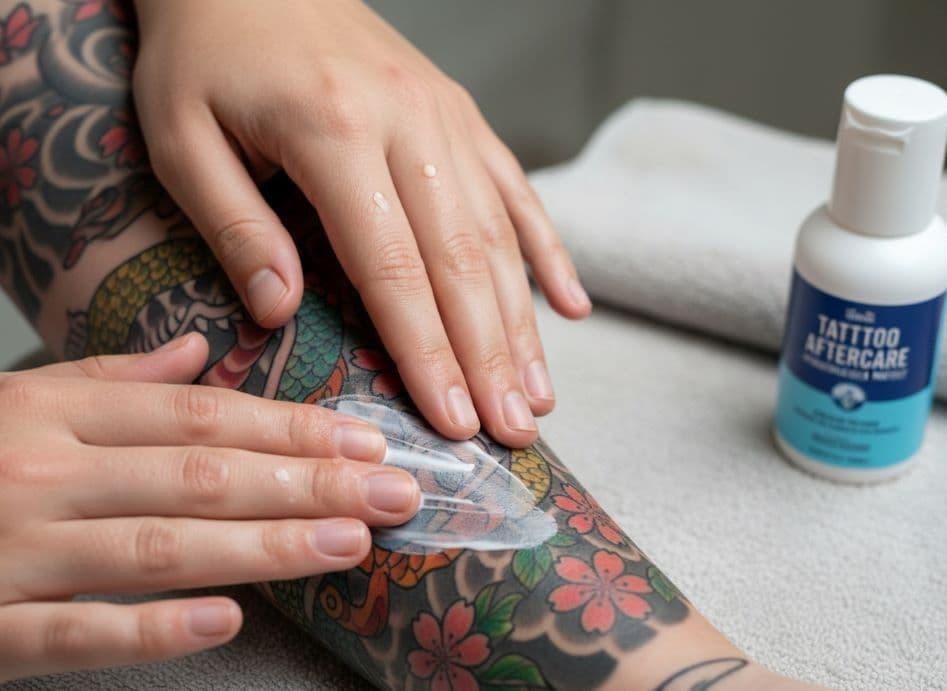
After cleaning and drying, apply a thin layer of fragrance-free moisturizer as recommended by your artist. Use only enough to reduce dryness, as too much product can trap moisture and irritate the skin.

4.3 Do not scratch or pick the peeling skin
Itching is common during peeling, but scratching can damage newly forming skin skin. Avoid using your nails or rubbing the tattoo against clothingМС clothing. Let the flakes loosen and fall away naturally.
Peeling occurs as the outer skin sheds during healing. Never pull, cut or remove loose flakes yourself, as this can damage the skin and affect how the tattoo settles.
4.4 Protect the tattoo from the sun
Avoid prolonged direct sun exposure while the tattoo is healing. UV rays can irritate sensitive skin and and contribute to fading.. Once fully healed, apply broad-spectrum sunscreen to preserve the tattoo’s color and contrast.
5. Managing tattoo peeling in Hanoi’s heat and humidity
Hanoi’s heat, humidity and busy travel conditions can make a peeling tattoo more sensitive. If your tattoo is still healing during your trip, adjust your clothing, transportation and outdoor plans to reduce moisture, friction and irritation.
5.1 Manage sweat and humidity
Hanoi’s hot, humid weather may leave a peeling tattoo damp, itchy and uncomfortable. Wear breathable clothing, gently clean the area after heavy sweating, pat it dry and apply only a thin layer of moisturizer.
5.2 Reduce friction while traveling by motorbike
Motorbike travel can expose a fresh tattoo to dust, sunlight and friction. Wear loose, clean clothing and avoid tight sleeves, waistbands or backpack straps rubbing against it. Follow your artist’s instructions if using protective film.
5.3 Plan outdoor activities carefully
Long walks, rain and prolonged sunlight may irritate healing skin. Choose shorter activities, stay in the shade and carry basic aftercare supplies. Avoid swimming pools, spas, saunas and soaking the tattoo until it has fully healed. If the tattoo becomes wet from rain or sweat, gently clean and dry it as soon as practical.

6. Trust DNA Tattoo Studio for professional tattoo care
Choosing a professional studio matters not only during the tattoo session but throughout the healing process. DNA Tattoo Studio combines experienced artists, strict hygiene, personalized aftercare and transparent pricing to support clients throughout their tattoo journey.
6.1 Experienced artists and strict hygiene
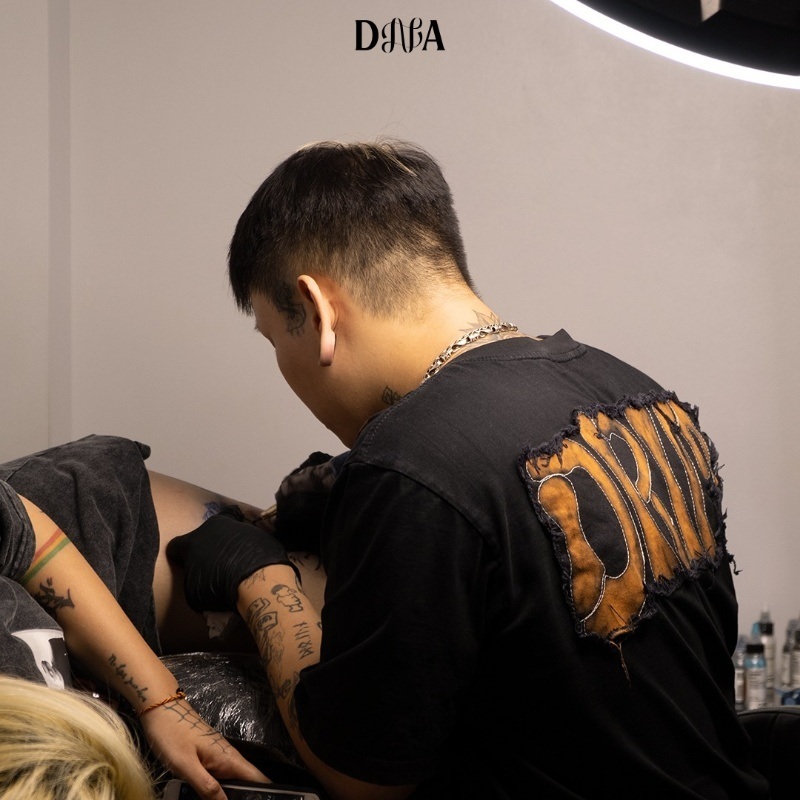
DNA’s experienced artists assess each client’s skin and tattoo condition before recommending a suitable aftercare method. The studio follows standardized hygiene practices, including disinfecting the workspace and equipment, cleaning the skin, wearing masks and using a new needle for every client.
6.2 Personalized aftercare
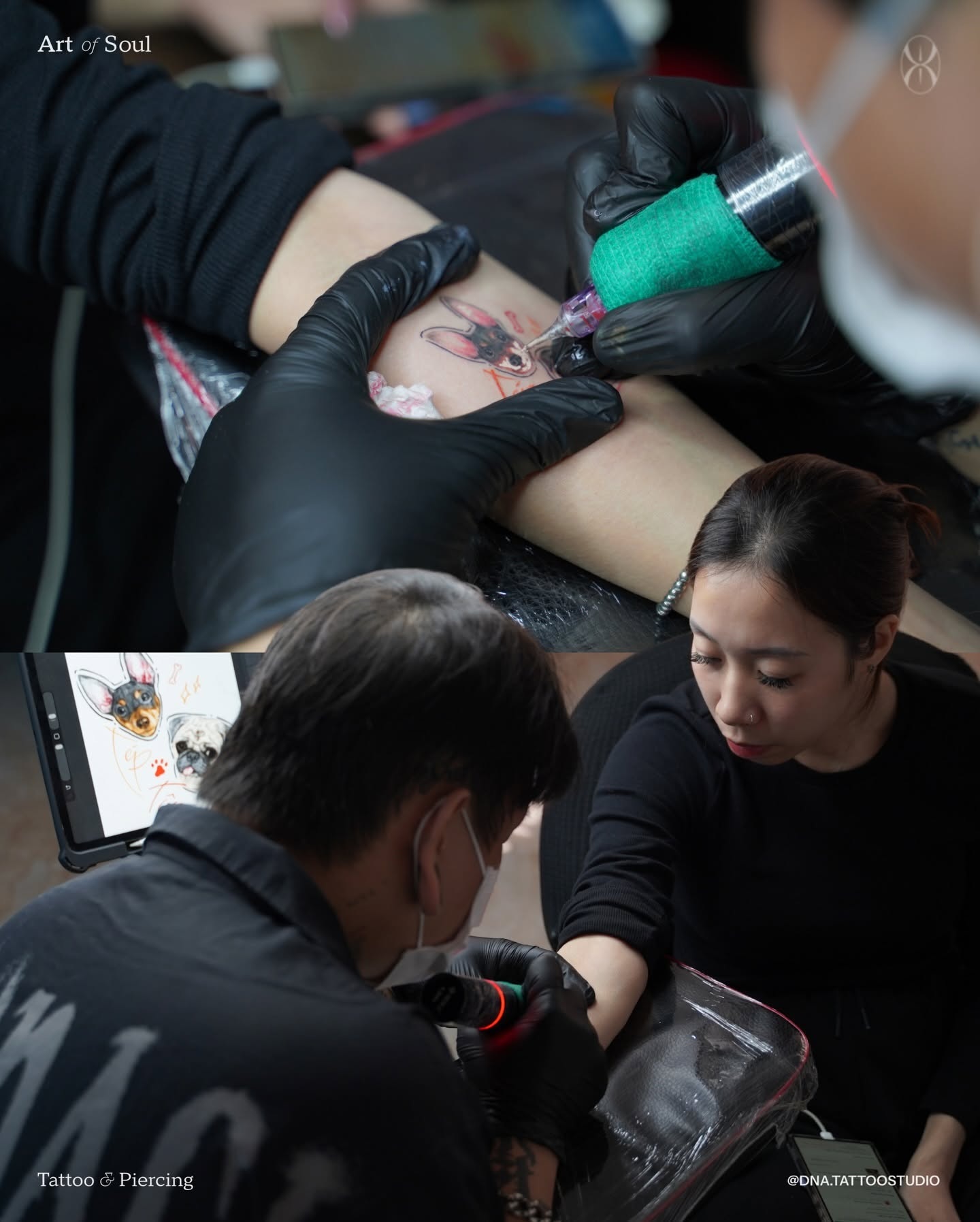
Aftercare is adjusted case by case rather than following one fixed routine. Depending on the tattoo and skin condition, the artist may recommend food wrap, a three-day protective film, or leaving the area uncovered with moisturizer. Every client also receives a complimentary aftercare kit.
6.3 Ongoing support during healing
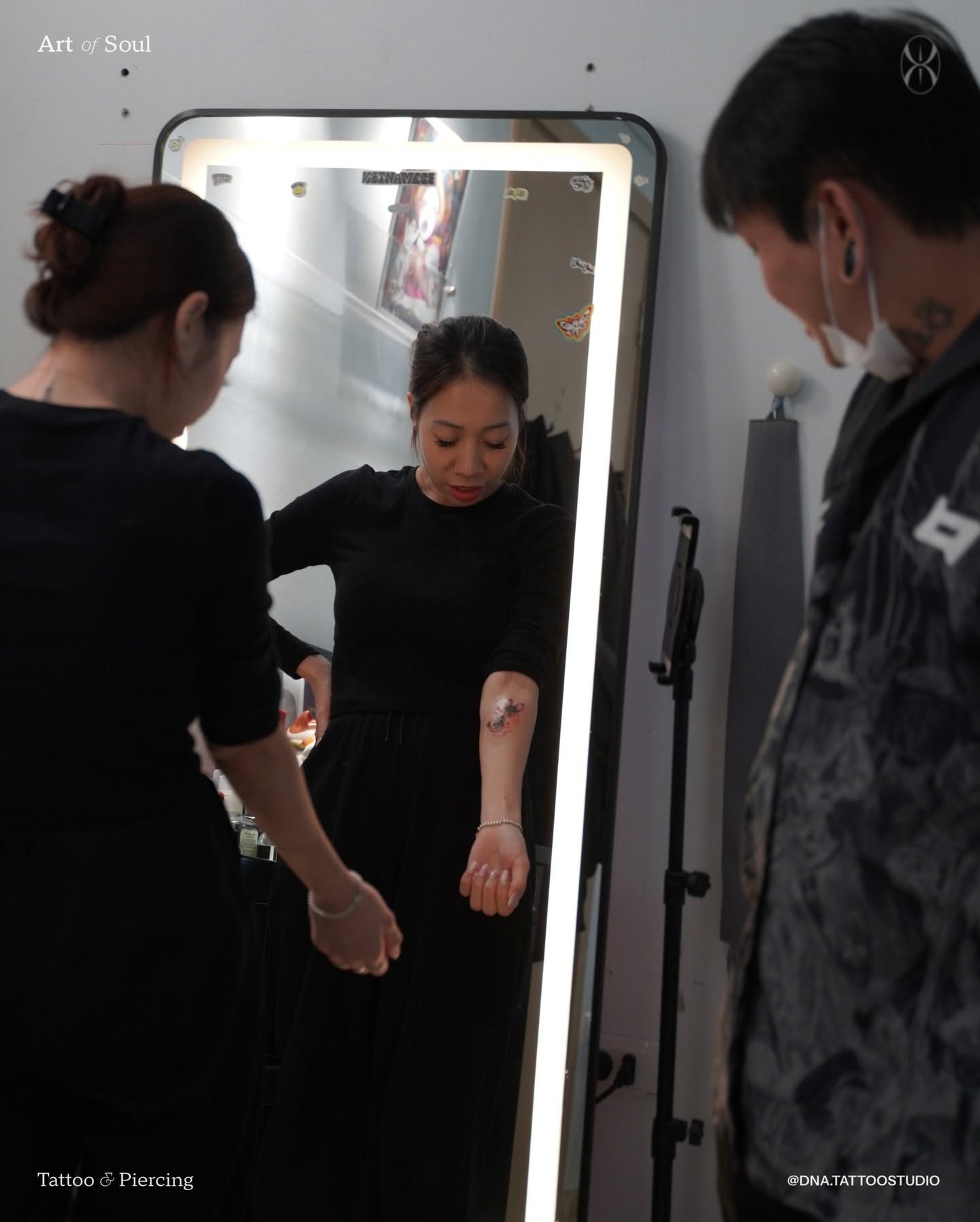
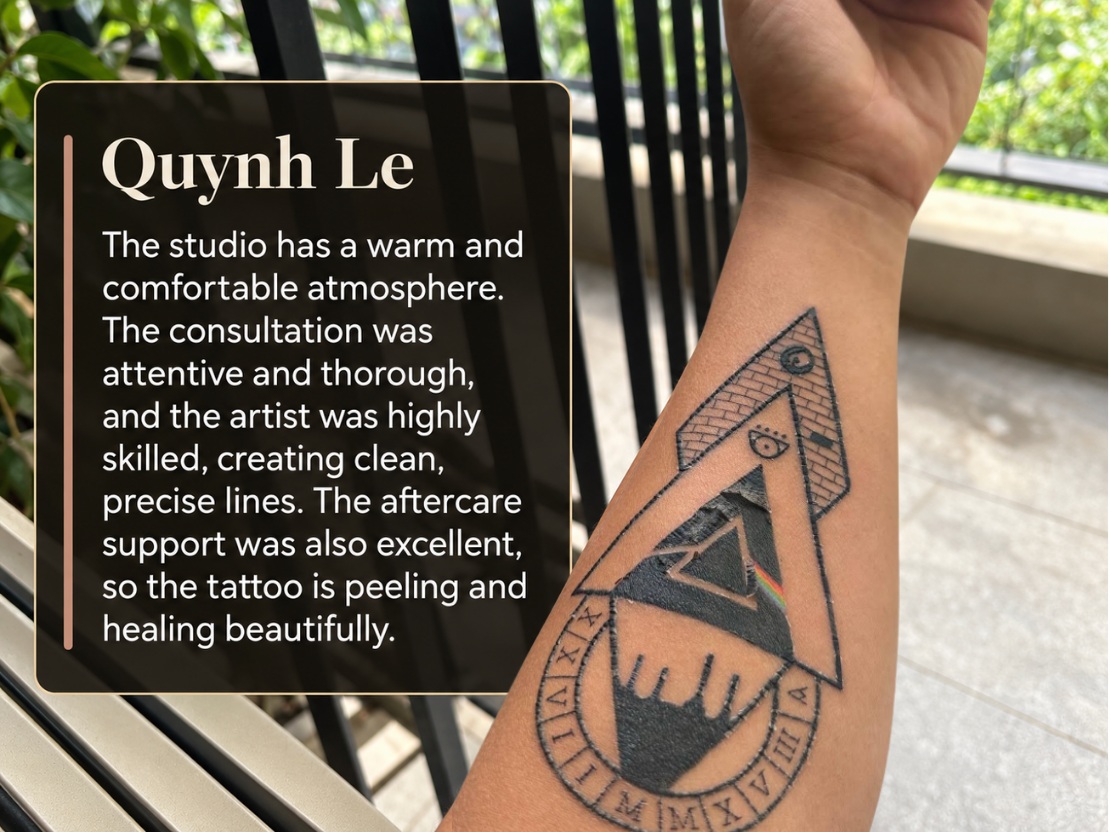
DNA typically checks the tattoo around the third day and follows up again approximately one month later. Clients can contact the studio with any healing concerns. This support is reflected in client reviews, with some customers sharing that their tattoos peeled and healed beautifully thanks to DNA’s attentive aftercare.
6.4 Transparent pricing
Tattoo prices are clearly discussed before the session and based on the actual work required. Clients can understand the expected cost in advance without different pricing for Vietnamese and international customers.
Seeing your tattoo become dry, itchy, or flaky can be worrying, but tattoo peeling is generally a normal part of skin healing. The key is to keep the area clean, moisturized appropriately, protected, and untouched while the skin naturally sheds.
Whether you’re visiting Hanoi for a few days or planning your next tattoo journey, DNA Tattoo Studio is committed to creating artwork you’ll be proud to wear for years to come.
Contact DNA Tattoo Studio:
- Address:41 Luong Su C, Dong Da, Hanoi (near Temple of Literature)
- Hotline / WhatsApp / Zalo: (+84) 368 000 690
- Website:dnatattoovietnam.com
- Facebook:facebook.com/dnatatstudio
- Instagram:instagram.com/dna.tattoostudio
7. Frequently asked questions about tattoo peeling
7.1 Should I peel my tattoo when it starts flaking?
No. Do not deliberately peel off tattoo skin or remove flakes with your fingers. Let the skin shed naturally as the tattoo heals.
7.2 Can I scratch a peeling tattoo?
You should avoid scratching a peeling tattoo. Scratching can irritate the healing skin and make the area more uncomfortable. If itching is bothersome, follow your tattoo artist’s recommended aftercare routine.
7.3 Can I moisturize a peeling tattoo?
Yes. A suitable moisturizer can help manage dryness, but apply only a thin layer. Avoid repeatedly applying excessive amounts of product.
7.4 Why does my tattoo look faded when it peels?
A tattoo can temporarily look dull, cloudy, or faded while the outer layer of skin is peeling. This does not necessarily mean that the tattoo ink has been lost. The appearance can change as the skin continues to heal.
7.5 Is it normal for a tattoo to itch while peeling?
Yes. Mild itching can occur as the skin dries and heals. Try not to scratch or pick the area, even if the itching is uncomfortable.
8. Get your tattoo with confidence throughout the peeling process
Tattoo peeling can raise questions, especially when you are unsure whether your skin is healing normally. DNA Tattoo Studio remains available throughout the recovery period, helping clients understand changes in their tattoos and determine the appropriate next step when concerns arise.

Whether you live in Hanoi or are getting tattooed during your trip in Vietnam, contact DNA Tattoo Studio for a personalized consultation and transparent quote.